Water features transform ordinary spaces into relaxing environments. The visual impact depends entirely on consistent water movement. Many property owners struggle with fountains that sputter, overflow, or create uneven displays. These problems trace back to mismatched flow specifications and vertical lift requirements.
Matching Output to Vertical Distance: The relationship between water volume and lifting power creates the foundation for reliable displays. A best fountain pump balances gallons per hour against the distance water must travel vertically. Equipment rated for 500 GPH at ground level might only deliver 300 GPH when pushing water four feet upward. This drop in performance affects spray height and pattern density. You can see the flow rate pump curve (how much flow at different vertical lifts) in pump specifications.
Equipment Selection for Variable Conditions: Different installations demand specific capabilities. Pumps for fountains handle everything from shallow decorative pools to deep reservoir systems. A tiered fountain needs enough pressure to reach the top level. A floating aerator requires different specifications than a stationary spray head. Matching the equipment to actual site conditions prevents disappointing results.
The Mathematics of Water Movement
- Calculating Required Output: Start with the desired spray height. Add the vertical distance from pump placement to the water surface. Factor in friction loss through pipes and fittings. Most installations lose 10-15% of rated flow through resistance. A fountain aiming for a three-foot spray needs a pump rated for 3.5 feet of head height to compensate for these losses.
- Pressure Drop Through Distance: Water loses momentum as it travels upward. Every foot of vertical lift reduces the available pressure for creating spray patterns. Again, it is advised that you look at the pump curve specifications for various pump models. Also, fountain displays can weaken over time as debris accumulates in lines or at intake.When the intake gets clogged by debris less water is flowing into the pump. Regular maintenance preserves the original flow calculations and keeps displays looking sharp.
- Adjusting for Spray Design: Simple bubbler fountains need less pressure than multi-tier arrangements. Spray heads with fine nozzles require higher pressure to atomize water properly. Bell-shaped displays demand consistent flow across the entire spray radius. Each design creates a unique back-pressure that affects the pump’s effective output.
Matching Equipment to Installation Depth
- Shallow Basin Considerations: Pools under 18 inches deep limit pump placement options. The equipment must sit below the water line but have enough clearance for intake screens. Compact units work better here. Oversized equipment creates turbulence that disrupts the water surface and affects visual quality.
- Deep Reservoir Advantages: Ponds over three feet deep allow flexible pump positioning. Placing equipment near the bottom reduces cavitation risk and improves intake efficiency. The extra depth also provides thermal stability. Water temperature affects viscosity and flow characteristics throughout seasonal changes.
- Managing Continuous Operation: Equipment running 24/7 faces different stresses than occasional-use systems. Heat buildup becomes a concern in enclosed pump housings. Adequate water circulation around the motor prevents overheating. Some installations benefit from timer controls that allow cooling periods without completely stopping the display.
System Variables That Affect Performance
- Pipe Diameter Impact: Narrow pipes increase friction and reduce effective flow. A pump capable of 1500 GPH through ¾ inc pipe might only deliver 600 GPH.. Upsizing the plumbing by one size often improves performance more than upgrading the pump itself.
- Elevation Changes in Layout: Horizontal runs add minimal resistance compared to vertical lifts. A fountain with 20 feet of horizontal pipe and 3 feet of vertical lift performs similarly to one with 3 feet of vertical lift alone. Focus calculations on the actual height water must climb.
- Seasonal Performance Shifts: Cold water is denser and requires more energy to move. Summer heat reduces viscosity and can actually improve flow rates slightly. Winter operation in freeze-prone areas demands equipment rated for temperature extremes. Some systems need flow adjustments as seasons change to maintain consistent displays.
Selecting for Multiple Spray Patterns
- Single vs. Multi-Head Systems: One large spray head uses flow differently than several smaller nozzles. Splitting the output reduces pressure at each point. Calculate total flow requirements then verify the pump maintains adequate pressure across all outlets. Some designs need pressure-compensating nozzles to balance the display.
- Adjustable Flow Benefits: Variable-speed equipment allows fine-tuning without replacing hardware. Dialing down the output saves energy during off-peak times. Increasing flow for special events or photos takes seconds. This flexibility extends equipment life by reducing constant maximum-load operation. Also, you can reduce flow rates by adding a “flow regulator for vinyl tubing” if you are using hose tubing. If you are using PVC pipe then use a “ball valve.” You can search online quickly if using these search terms. It is essential not to reduce flow by creating a restriction of water flowing into the pump. Flow rate should be adjusted by with PVC or tubing going out of the pump.
Key Selection Factors:
- Measure actual vertical distance from pump to highest spray point
- Add 20% capacity buffer for friction and future head adjustments
- Consider seasonal water temperature ranges in your climate
- Verify electrical requirements match available power supply
- Choose corrosion-resistant materials for long-term reliability
Proper flow rate and head height matching creates fountains that perform reliably year-round. Understanding these principles helps avoid underpowered systems that disappoint or oversized equipment that wastes energy. Take accurate measurements of your installation. Factor in all vertical distances and resistance points. Select equipment with appropriate specifications rather than guessing. Professional-grade systems justify their cost through consistent performance and reduced maintenance needs. Ready to upgrade your water feature? Calculate your specific requirements today and choose equipment engineered for your exact conditions.
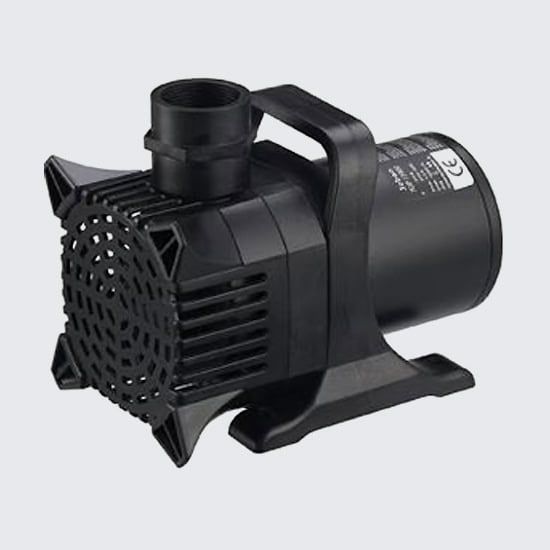
Featured Image Source: https://www.fountaintechpumps.com/wp-content/uploads/2022/11/fountain-tech-ft-2500.jpg
