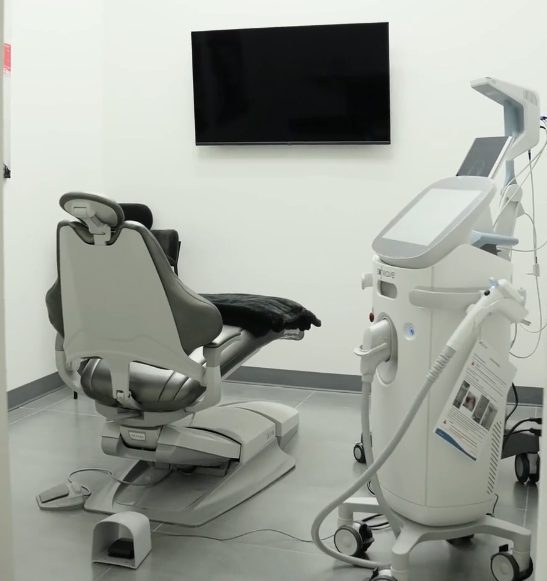
Personalized Cosmetic Dermatology for Natural-Looking Skin Rejuvenation
Posted in

Personalized Cosmetic Dermatology for Natural-Looking Skin Rejuvenation

Aesthetic treatment is most effective when it begins with a precise understanding of the skin—not a shopping list of popular procedures. Wrinkles, discoloration, acne scars, redness, and volume changes can overlap, but they do not necessarily respond to the same technology or intensity.

A cosmetic dermatologist combines dermatologic diagnosis with aesthetic planning to improve skin quality, facial balance, and visible signs of aging. The goal is typically refinement rather than a transformed appearance: healthier-looking skin, preserved expression, and changes that fit the patient’s anatomy and lifestyle.

At Del Campo Dermatology & Laser Institute, the consultation is designed to clarify priorities before treatment begins. A patient may receive a staged plan, a recommendation to improve skin health first, or simply time to consider options; an initial visit does not require an immediate procedure.

What a Cosmetic Dermatologist Does Beyond Appearance

Dermatology encompasses the medical evaluation of skin, hair, and nails. A cosmetic dermatologist applies that foundation to elective concerns while assessing whether the skin is healthy enough for treatment and whether an underlying condition could affect the result.

A general dermatologist may focus primarily on acne, eczema, psoriasis, rosacea, infections, suspicious lesions, or skin cancer. Cosmetic dermatology addresses appearance-related concerns such as:

  • Fine lines and dynamic wrinkles.
  • Uneven pigmentation, sun spots, and dull tone.
  • Acne scars, enlarged pores, and rough texture.
  • Facial redness and visible vessels.
  • Unwanted hair.
  • Loss of facial volume or definition.

A plastic surgeon performs surgical procedures such as facelifts, blepharoplasty, or structural reconstruction. A cosmetic dermatologist generally provides office-based, nonsurgical or minimally invasive care, although the appropriate choice depends on the degree of laxity, tissue change, and the patient’s goals. A medical spa may offer devices and aesthetic services, but patients should ask who evaluates candidacy, performs each procedure, and supervises the staff. “Aesthetic provider” is a broad term and does not, by itself, establish medical training or certification.

Treatment Options for Different Skin Concerns

The same complaint can have several treatment pathways. Skin type, previous procedures, medications, healing history, available downtime, and the desired degree of change all influence the safest recommendation.

Pigment, redness, and unwanted hair. Laser and light devices are selected according to a specific target. Some wavelengths address melanin, while others target hemoglobin in blood vessels. Hair-removal lasers target pigment in the follicle. Intense pulsed light, or IPL, uses a broad spectrum rather than a single laser wavelength and may be useful for selected pigment and vascular concerns.

Texture, scars, and collagen loss. Ablative resurfacing removes or vaporizes part of the epidermis and can produce more substantial textural change, but typically involves greater recovery and a higher risk of prolonged redness or pigment alteration. Nonablative lasers heat deeper tissue without removing the surface, often offering less downtime but requiring a series of sessions. Laser selection should be especially cautious in pigment-prone skin.

Expression lines and volume loss. Neuromodulators temporarily reduce targeted muscle activity and are commonly used for forehead lines, glabellar lines, and crow’s feet. Dermal fillers, often based on hyaluronic acid, can restore volume or improve contour. Biostimulatory products are intended to encourage gradual collagen formation. Injection technique, anatomy, product selection, and conservative dosing are central to avoiding an overfilled appearance.

Acne scars and enlarged pores. Microneedling creates controlled micro-injuries that initiate collagen remodeling without the thermal injury associated with lasers. Radiofrequency microneedling adds energy through the needle tips, potentially increasing tightening and remodeling while requiring careful device settings. Platelet-rich plasma, or PRP, may be offered as an adjunct; it is prepared from the patient’s blood and contains platelets and growth factors, although results vary.

Superficial discoloration and roughness. Chemical peels and other surface treatments can improve tone and texture. The formulation and strength must match the condition being treated. A stronger peel is not automatically better, particularly when the skin barrier is impaired or post-inflammatory hyperpigmentation is a concern.

How a Personalized Cosmetic Dermatology Plan Is Developed

A useful consultation covers more than the procedure a patient has seen online. The dermatologist may discuss:

  • The patient’s primary concern, event timeline, and preferred degree of change.
  • Previous lasers, injectables, peels, surgeries, and reactions.
  • Medications, allergies, skin-care products, and sun exposure.
  • Smoking, pregnancy or breastfeeding considerations, and relevant medical conditions.
  • A history of cold sores, keloids, abnormal scarring, or delayed healing.

Active infection, open sores, or uncontrolled inflammation generally need to be addressed before elective treatment. Autoimmune conditions, immune suppression, smoking, and a tendency toward keloids may affect candidacy or require a more conservative approach. A history of recurrent fever blisters is important before procedures around the mouth because resurfacing or laser energy can reactivate herpes simplex; antiviral prevention may be appropriate.

Plans are often staged. A patient may first stabilize acne or rosacea, establish sun protection, or improve the skin barrier before pursuing resurfacing. Lighter treatments usually involve less downtime but may require several appointments. More aggressive resurfacing can create a larger visible change in one session, with more healing, work restrictions, and aftercare.

The planning objective is not simply wrinkle reduction. It includes facial balance, natural movement, proportion, skin health, and a maintenance strategy that remains realistic over time.

Safety, Results, and Recovery Expectations

Results vary according to anatomy, treatment settings, skin response, lifestyle, sun exposure, and completion of a recommended series. Neuromodulator effects commonly emerge over several days and last a few months. Fillers may last roughly six months to two years depending on product and location. Laser and microneedling results often build gradually as collagen remodels, while pigment or redness may improve sooner.

Short-term effects can include redness, swelling, bruising, sensitivity, peeling, pinpoint bleeding, or temporary darkening or lightening of pigment. Patients should receive procedure-specific instructions about cleansing, moisturization, exercise, makeup, and when to report unexpected symptoms.

Sun protection is particularly important in North Miami’s strong year-round ultraviolet environment. Tanning before laser treatment can increase the risk of uneven pigmentation and may reduce treatment predictability. Broad-spectrum sunscreen, protective clothing, and avoidance of intentional tanning support safer recovery.

Most cosmetic procedures are paid out of pocket. Selected medically necessary treatments—such as care for symptomatic vascular lesions or certain scars—may have different coverage rules, but patients should verify benefits rather than assume insurance will apply.

Choosing the Right Cosmetic Dermatologist in North Miami

Before scheduling, patients can use this checklist:

  • Verify board certification, relevant fellowship training, and experience with the requested procedure.
  • Ask who performs each treatment and how physician supervision works.
  • Confirm that the practice treats a range of skin tones and understands post-inflammatory pigment risks.
  • Request the expected number of sessions, downtime, side effects, aftercare, maintenance, and alternatives.
  • Be cautious of pressure to select a trend-driven treatment or purchase a large package before evaluation.

Del Campo Dermatology is a private, boutique North Miami practice led by Dr. Roberta Del Campo, who is double board certified and fellowship trained in cosmetic dermatology. She also teaches and advises internationally on laser and injectable procedures. The practice emphasizes advanced laser treatments and injectables, with care shaped around planning, continuity, balance, and results intended to hold up over time.

Patients may request a private consultation to discuss goals and options before deciding whether to proceed.

Cosmetic Dermatology Questions Patients Commonly Ask

Is a cosmetic dermatologist still a medical dermatologist?

Yes. Cosmetic dermatologists complete dermatology training and use that medical foundation to evaluate skin health, contraindications, medications, healing risks, and treatment suitability. Their work may include both medical and aesthetic care.

How is cosmetic dermatology different from plastic surgery?

Cosmetic dermatology generally focuses on nonsurgical or minimally invasive office treatments, including injectables, lasers, microneedling, and peels. Plastic surgery uses operative techniques when tissue removal, lifting, or structural reconstruction is needed. The best option depends on the concern and desired magnitude of change.

How long do Botox, fillers, lasers, and microneedling results last?

Durability depends on the product, treatment area, metabolism, anatomy, sun exposure, lifestyle, and maintenance. Neuromodulators often last several months; fillers may last longer. Collagen-based treatments can provide extended improvement after a series but are not permanent.

Are cosmetic dermatology procedures painful?

Comfort measures may include topical anesthetic, cooling, vibration, injectable anesthetic, or other techniques. Sensation varies by procedure and treatment area. Patients should ask what comfort plan and recovery instructions apply to the specific device or product.

How many treatments will I need?

Some vascular or expression-line concerns may respond to one treatment, while pigment correction, acne-scar remodeling, and collagen stimulation often require a series. The number depends on treatment intensity and the desired endpoint.

When should I schedule a consultation?

Allow time for medical evaluation, preparation, potential pre-treatment skin care, recovery, and follow-up. It is unwise to schedule an unfamiliar elective procedure immediately before a wedding, travel, presentation, or other important event.


What Should Beginners Know Before Trying Cannabis?
Posted in

What Should Beginners Know Before Trying Cannabis?

What Should You Know About Cannabis Before Trying It?

How do you know what to expect the first time? The honest answer is that you do not, not fully. That gap between what you expect and what actually happens is where most rough first experiences come from.

Cannabis is a plant that makes dozens of active compounds. Two of them get almost all the attention. THC is the one behind the feeling people describe as being high. CBD works differently and does not produce that same head change for most people. Almost every product on a shelf contains some ratio of the two, and that ratio shapes the experience more than the big milligram number printed on the front of the box. Staff at a licensed shop such as 42 Degrees Cannabis Dispensary field this question every day, and asking beats guessing.

Potency varies far more than beginners expect. A 2 mg gummy and a 25 mg gummy can sit in the same display case, in near-identical packaging, a foot apart. Same shape. Same flavour. Wildly different afternoon. Formulation matters too, because a vape, a tincture and a chocolate square carrying the same THC number will not feel the same.

Then there is you. Two people can take an identical dose and walk away with completely different stories. Body weight plays a part. So does tolerance, what you ate that day, how much sleep you got, and your general mood before you started. Perhaps the strangest factor is expectation itself. People who go in tense tend to have a harder time of it, which sounds like folk wisdom but shows up often enough to be worth respecting.

What Are the Different Ways to Use Cannabis?

The format you choose changes the timing more than anything else does. Two things matter: how fast it starts, how long it stays.

 Inhaled products, meaning flower, pre-rolls and vapes. Effects usually begin within a few minutes and commonly fade over one to three hours.

 Edibles. Gummies, chocolates, baked goods. These are slow. Onset often runs anywhere from 30 minutes to two hours, and the effect can stretch across four to eight hours, sometimes longer.

 Tinctures and oils held under the tongue tend to land somewhere in the middle, often within 15 to 45 minutes.

 Topicals such as balms and lotions go on the skin and are generally used for one spot rather than a whole-body effect.

These are rough ranges, not promises.

Read the label twice before you open anything. The number on the front of a package is frequently the total for the entire package rather than one piece. A tin marked 100 mg might hold ten 10 mg gummies. Check the serving size, check the servings per container, and check whether the product lists a batch number and a lab test. Products that skip all three deserve a second look.

What Safety Precautions Should Cannabis Beginners Follow?

Most of this list is dull. That is rather the point.

 Know the law where you live. Rules differ from state to state and keep shifting, so check before you buy rather than after. Purchase only from legal, regulated retailers, and expect to show ID, since adult sales are typically restricted to 21 and over.

 Leave alcohol out of it. Mixing the two tends to make people dizzy, nauseated and far more impaired than either one alone. The same caution applies to other substances.

 Do not drive. Do not cycle. Do not operate machinery or power tools. Impairment lasts longer than it feels like it does, and that gap is widest with edibles.

 Store everything locked and out of reach. Edibles look like candy because they basically are candy, and children and pets do not read labels. Dogs in particular will eat an entire bag given the chance.

 Speak to a doctor first if you are pregnant, breastfeeding, taking prescription medication, or managing a heart condition or a history of psychosis. This one is not a formality.

What Might You Experience After Using Cannabis?

Pleasant effects tend to include relaxation, hunger, a loosened sense of time, and a sharper interest in music or food. Plenty of people enjoy exactly that and nothing more.

Unwanted effects happen too, and beginners hit them more often than experienced users. Dizziness. Dry mouth. A racing heart. Anxiety that can tip into something close to panic. Clumsiness, drowsiness, patchy short-term memory. None of these are pleasant, though they do pass.

The single most common way a first experience goes badly is taking more too soon. Someone eats a gummy, waits 45 minutes, feels nothing, decides the product is weak, and eats another. Both doses then arrive at the same time. With edibles this is the classic mistake, and the fix is simple even if it takes patience: take one serving, then wait a full two hours before you even think about a second.

Where you are matters as well. A familiar room beats a party. Someone you trust nearby beats being alone, at least the first time round.

If someone starts feeling unwell, get them sitting or lying down somewhere quiet, offer water, and remind them the feeling is temporary. That handles the large majority of cases. Call emergency services for chest pain, breathing trouble, fainting, vomiting that will not stop, seizures, or confusion severe enough that the person cannot be reassured. Do the same immediately if a child or pet has swallowed a product, and bring the packaging.

How Can Beginners Make Informed Choices About Cannabis?

Start by treating the label as information rather than decoration. Learn what the numbers mean, ask questions of the people selling it, and ask a pharmacist or doctor the questions that belong to them instead.

Keep a short note after each use. Product, amount, time, and how you felt an hour later. Four lines is plenty. Within a few weeks you will know your own pattern, which is worth considerably more than a friend telling you what worked for them. Their body is not your body.

Medication interactions deserve real attention. Cannabis can influence how the liver processes certain drugs, including some blood thinners, sedatives and seizure medications. A pharmacist can check your specific list in a few minutes.

None of this makes cannabis risk-free, and the goal here was never to suggest otherwise. Legal, informed and unhurried is a reasonable way to approach it. Rushed and uninformed is not.

If you have questions about cannabis and your own health, medications or circumstances, speak with a qualified healthcare professional or a pharmacist before you try anything.

Frequently Asked Questions

What should I know before trying cannabis for the first time?

Know the product, the dose and the setting. Check the label for the amount per serving rather than per package, start with the smallest serving available, stay somewhere familiar, and keep a trusted person nearby.

How long does it take for cannabis to take effect?

It depends on the format. Inhaled products usually work within minutes. Edibles commonly take 30 minutes to two hours. Tinctures held under the tongue often fall in between.

What is the difference between THC and CBD?

THC produces the intoxicating effect people associate with cannabis. CBD does not create that same effect for most people. Many products contain both, and the balance between them changes how a product feels.

Can cannabis interact with medications?

Yes. It can affect how the body processes certain prescription drugs, including some blood thinners, sedatives and seizure medications. Check with a pharmacist or doctor before combining anything.

Can I drive after using cannabis?

No. Cannabis impairs coordination, reaction time and judgement, and driving while impaired is illegal. Impairment can outlast the point where you subjectively feel back to normal, so plan transport in advance.

What should I do if cannabis makes me feel unwell?

Sit or lie down somewhere quiet, drink water, and wait it out with someone you trust nearby. Seek emergency medical help for chest pain, breathing difficulty, fainting, persistent vomiting, seizures or severe confusion, and immediately if a child or pet has consumed a product.


Why Choose NutriChem Pharmacy & Retail Store for Personalized Health Support?
Posted in

Why Choose NutriChem Pharmacy & Retail Store for Personalized Health Support?

When you have questions about your medication, your supplements, or that nagging symptom that has hung around for three weeks, where do you actually turn? Most people search online, read four contradictory answers, and give up. Others ask a friend. Some just take the pill and hope for the best. That gap between having a health question and getting a real answer is where a lot of quiet damage happens. A supplement quietly cancelling out a prescription. A dose taken at the wrong time of day for two years. Money spent every month on capsules that were never going to help.

Personalized health support closes that gap. It means someone who knows your name, knows what is on your medication list, and can tell you in plain language whether the thing you just bought is a good idea for you specifically. That is the model at NutriChem Pharmacy & Retail Store on Carling Avenue in Ottawa, a pharmacy and retail health store that has been doing this work since 1981.

What makes personalized health support different?

Generic health advice is written for an average person. You are not that person. Nobody is.

One-size-fits-all guidance ignores the things that change the answer: what else you take, how your body handles a given drug, your age, your other conditions, whether you can swallow tablets, whether a dye or filler sets off a reaction. The advice sounds reasonable. It just was not written for you.

Individualized support flips that. The question stops being “what does this drug do” and becomes “what does this drug do in your situation, alongside everything else you are already taking.”

A pharmacy team sits in a useful spot for this. Pharmacists see your full medication list, often more completely than any single prescriber does. They are trained in how drugs interact. And you can walk in and talk to one without an appointment or a referral, which is not true of most other healthcare professionals.

That last part matters more than people expect. Access is usually the thing that decides whether a question gets asked at all.

How can NutriChem support your individual health needs?

NutriChem operates as both a compounding pharmacy and a retail health store, regulated by the Ontario College of Pharmacists. The team includes clinical pharmacists who focus on the medication side of your care while paying attention to your broader wellness goals.

The services available at the Carling Avenue location include:

  • Custom compounding, where medications are prepared in the on-site Ottawa lab to a prescriber’s exact specifications
  • Deprescribing support, a careful review of whether medications you have been on for years are still earning their place
  • Minor ailments assessment and prescribing for everyday concerns such as urinary tract infections, cold sores and pink eye
  • One-on-one prescription consultations, available virtually or in person
  • Online prescription refills, plus local delivery across Ottawa and shipping to patients elsewhere in Canada

Compounding deserves a note here. It is not a general alternative to commercial medication. It is used when the manufactured product does not fit, perhaps because the strength you need is not made, or you need a cream instead of a tablet, or you react to a specific dye or filler. Your prescriber decides. The pharmacy prepares it.

How can personalized medication support make a difference?

Here is an uncomfortable truth. Plenty of people take their medication slightly wrong for years and never find out.

Taken with food when it should be on an empty stomach. Taken alongside a calcium supplement that blocks absorption. Split when it should not be split. None of these show up as a dramatic event. They show up as the medication not working as well as it should, which gets read as the condition being stubborn, which sometimes leads to a higher dose.

A pharmacist consultation catches these things. The conversation covers what you take, when you take it, what happened when you started, what you have added since. Interactions get reviewed. Timing gets sorted out. Questions you felt slightly silly asking get answered properly.

The path looks roughly like this: prescription arrives, pharmacist reviews and consults with you, you leave with support built around your situation, and the relationship continues through refills and reviews.

Confidence is the real outcome. There is a meaningful difference between taking something because a bottle told you to and taking it because you understand what it does.

What wellness support can you find beyond prescriptions?

The retail side covers the parts of health that never involve a prescription pad. Vitamins and minerals, herbs and botanicals, clean beauty and skincare, hair care, and a broader range of natural health products.

Supplements are where personalized guidance earns its keep, honestly. The market runs on trends. Something goes viral, sales spike, and thousands of people start taking it without a single thought about whether it suits them or whether it clashes with the prescription already in their cabinet.

Some supplements interact with medications. Some are pointless for your situation. Some are fine but not at the dose on the label.

Ask before you add. That is the whole rule. The staff can tell you whether a product makes sense next to what you already take, which is a thirty second conversation that occasionally saves someone a lot of trouble.

Why build an ongoing relationship with your pharmacy?

Splitting prescriptions across three pharmacies means no single team sees the whole picture. Interaction checks get less reliable. Nobody notices the pattern.

Staying with one pharmacy changes what is possible:

  • Your full medication history sits in one place
  • Refills move faster because the team already knows your file
  • Questions get answered with context rather than from scratch
  • Someone notices when something changes

There is also the ordinary human part. Walking into a place where the staff recognize you makes it far more likely you will actually mention the side effect you have been ignoring.

Your pharmacy belongs in your healthcare network, sitting alongside your family doctor and any specialists you see. Treated that way, it becomes the point of contact you use most, because it is the easiest one to reach.

Visit NutriChem Pharmacy & Retail Store at 2599 Carling Avenue in Ottawa, or contact the pharmacy team at 613.820.4200 to talk through what personalized health support could look like for you.

FAQs

What does personalized pharmacy support mean?
 It means guidance built around your medications, your health situation and your goals rather than general advice. A pharmacist reviews what you take, checks for interactions, and answers your questions directly.

What services does NutriChem Pharmacy & Retail Store offer?
 Custom compounding, deprescribing support, minor ailments assessment and prescribing, one-on-one prescription consultations, online refills, local Ottawa delivery, shipping across Canada, and a retail range of vitamins, herbs, personal care and natural health products.

Can a pharmacist help me understand my medications?
 Yes. NutriChem’s clinical pharmacists offer consultations, virtual or in person, to review your prescriptions, explain how and when to take them, and check your full list for interactions.

Can a pharmacy help with general wellness needs?
 Yes. The retail store carries vitamins, minerals, herbs and botanicals, skincare and other natural health products, and staff can help you choose based on your needs rather than whatever is trending.

How can I get personalized health advice at a pharmacy?
 Visit the Carling Avenue location, call 613.820.4200, or book a prescription consultation. Bring your current medication and supplement list so the conversation covers everything.

Why should I choose the same pharmacy for my ongoing medication needs?
 One pharmacy holds your complete record, which makes interaction checks more reliable, refills quicker, and advice better informed over time.


How Much Does Same Day Dental Treatment Cost?
Posted in

How Much Does Same Day Dental Treatment Cost?

Summary: There’s no single price for same day dental treatment because “same day” describes the timing, not the procedure. An exam costs far less than a crown, a simple extraction less than a surgical one, and delaying care usually costs more than either. Here’s how the pricing works and how to keep it manageable.

Key Takeaways

 Same day treatment covers everything from exams to extractions, so costs span a wide range.

 Procedure type and complexity drive the price more than the urgency does.

 X-rays and diagnostics add to the bill but prevent treating the wrong problem.

 Insurance often covers medically necessary urgent care — confirm before treatment when you can.

 Waiting rarely saves money. Small problems become expensive ones on their own schedule.

Search for the cost of same day dental treatment and you’ll find answers so vague they feel useless. There’s a reason. “Same day” isn’t one treatment — it’s a timeframe that can hold anything from a fifteen-minute exam to a surgical extraction. The procedure, its complexity, and the materials involved all move the number. What you can do is understand the pieces that make up the bill, so nothing on the estimate surprises you.

Availability matters too, and it varies by office. Some practices, Le Blanc General Dentistry & Aesthetics in Houston among them, make every attempt to see patients in pain the same day they call — and often start treatment at the consultation itself. Others book urgent slots days out. Worth knowing before you’re the one calling around with a throbbing tooth.

What Types of Same-Day Dental Treatments Are Available?

More than most people expect. Emergency dental visits usually start with an examination and X-rays to find the source of the problem, and much of what follows can happen in the same chair, the same day:

 Emergency exams and consultations for pain, swelling, or injury

 Fillings and repairs for chipped, cracked, or decayed teeth

 Temporary restorations that protect a damaged tooth until permanent work

 Extractions, including many wisdom tooth cases

 Re-cementing loose crowns or bridges, treating infections, easing pain

Where the line falls depends on complexity. At many practices, straightforward treatment starts the same day as the consultation, while complex treatment plans need a second visit. Crowns are the in-between case — some offices mill them in one appointment, others place a temporary and fit the final later.

What Factors Affect the Cost of Same-Day Dental Care?

Four things, mostly. And they stack.

 The procedure itself — an exam sits at the bottom of the scale, surgical work at the top

 Complexity — a one-surface filling costs less than a three-surface one, a simple extraction less than a surgical extraction of a broken tooth

 Diagnostics — X-rays and scans add a line to the bill, though skipping them risks treating the wrong tooth entirely

 Materials and technology — tooth-colored composite, porcelain, lab fees, and the equipment involved all show up in the price

Urgency plays a smaller role than people fear. A weekday same-day appointment at your regular office usually costs the same as any scheduled visit for that procedure. After-hours or weekend care is where premiums appear — one more reason to call your dentist first rather than defaulting to an urgent care clinic.

Typical Cost Ranges for Common Same-Day Treatments

Prices vary between practices and cities, so treat any number you read online with suspicion — including precise-sounding ones. What holds true almost everywhere is the ladder. An exam with X-rays is the least expensive step. Fillings come next, priced by size and surface count. Extractions cost more, with surgical extractions well above simple ones. Crowns sit near the top, since they involve lab work plus significant chair time. Root canals land between extractions and crowns — and are often followed by a crown, which is why an infected tooth becomes the priciest version of a problem that began as a small cavity.

The reliable move: ask for a written estimate after the exam, before treatment starts. Any good office will walk you through it line by line. The exam fee buys you a diagnosis and a real number — which beats guessing off search results.

Does Dental Insurance Cover Same-Day Treatment?

Often yes, when the treatment is medically necessary — which most urgent care is. Insurance doesn’t care that the visit happened quickly. It cares what procedure code lands on the claim. A filling is a filling whether it was booked three weeks out or done the afternoon you called.

What decides your out-of-pocket share:

 Your deductible, if you haven’t met it yet this year

 Co-pays and the percentage your plan covers per procedure category

 Your annual maximum — most dental plans cap yearly benefits, and a big procedure can hit it

 Whether the office is in-network for your plan

Confirm from both directions when you can: call the insurer, and ask the dental office to verify benefits before treatment. Offices that take most major PPO plans handle this daily and can usually tell you your share before work begins. In real pain, the order flips — treat first, sort billing after.

How to Manage the Cost of Same-Day Dental Treatment

A same-day bill hits harder because nobody budgets for it. A few habits soften it:

 Ask for the full cost breakdown before you agree to treatment — exam, X-rays, procedure, materials

 Ask about financing. Many offices offer third-party payment plans that split treatment into monthly amounts

 Prioritize with your dentist — what needs doing today, and what can safely wait for a planned visit

 Ask about alternatives. Sometimes a temporary restoration buys time to plan the permanent fix

One thing not to do: skip treatment to save money. A tooth that needs a filling today needs a root canal next year, and the price gap between those two is bigger than any discount you’ll negotiate. Dental problems are one of the few purchases where waiting reliably raises the price.

The Estimate Is Free to Ask For — the Delay Isn’t

Same day dental treatment costs come down to the procedure, its complexity, and your insurance — not the speed of the appointment. An exam and X-rays tell you exactly what you’re dealing with and what it will cost, which turns a scary unknown into a decision you can make. If something in your mouth hurts, is broken, or is getting worse, the expensive choice is usually the wait, not the visit. Le Blanc General Dentistry & Aesthetics makes every attempt to see patients in pain the same day, takes most major PPO plans, and offers financing for larger treatment. Call (281) 888-0921, describe what’s going on, and get a real answer instead of another search result.

Frequently Asked Questions

1. How much does a same-day dental appointment typically cost?

It depends entirely on what’s done. The exam and X-rays are the smallest part of the bill. Treatment added the same day — a filling, an extraction, a repair — costs the same as it would at a scheduled visit. Ask for the estimate after diagnosis, before treatment.

2. Is emergency dental treatment more expensive?

Not usually during regular hours at your own dentist. Premiums show up for after-hours, weekend, or hospital-based care. The bigger cost driver is delay — problems treated late need bigger procedures.

3. Can I get a same-day crown?

Some practices mill crowns in-office and fit them in one visit. Others take impressions, place a temporary, and fit the permanent crown at a second appointment. Both work well — ask when you book which approach the office uses.

4. Does insurance cover emergency or same-day dental treatment?

Most plans cover medically necessary treatment regardless of how quickly it happened, subject to your deductible, co-pay, and annual maximum. Coverage follows the procedure, not the urgency.

5. Can I get a cost estimate before same-day dental treatment begins?

Yes, and you should. After the exam and X-rays, ask for a written breakdown of the recommended treatment before anything starts. A trustworthy office provides one without being pushed.


Knee Pain Treatment: Choosing the Right Next Step
Posted in

Knee Pain Treatment: Choosing the Right Next Step

Knee pain treatment is not one remedy or one diagnosis. The right approach depends on what happened, where the pain is located, whether the knee is swollen or unstable, and how long symptoms have lasted. A sore knee after an unusual workout is managed differently from a knee that locks, gives way, or hurts every day.

The safest first decision is whether this is a problem to monitor briefly or one that needs prompt evaluation. Knee pain treatment should begin with understanding the likely source of pain, not simply suppressing the symptom.

True Health Chiropractic and Acupuncture describes an approach that assesses whole-body movement, including strength, stability, joint motion, gait, hip function, and ankle mobility. Its True Health Chiropractic and Acupuncture service in Lombard, Illinois, is intended for people whose knee pain interferes with walking, training, stairs, squatting, or everyday activity.

First, decide whether home care is appropriate

Short-lived pain after overuse or a minor strain often settles with a temporary reduction in activity. This does not mean complete bed rest. Avoid the movement that clearly aggravates the knee, but keep gently moving within a comfortable range so the joint does not become unnecessarily stiff.

For the first couple of days after a minor injury, practical measures include:

  • Resting from running, jumping, deep squats, and other painful activities.
  • Applying a cold pack wrapped in a cloth for brief intervals.
  • Using light compression if it feels comfortable and does not cause numbness, tingling, or increased pain.
  • Elevating the leg when swelling is present.

Over-the-counter medication can help some people. Acetaminophen is an option for pain, while nonsteroidal anti-inflammatory drugs such as ibuprofen or naproxen can reduce pain and inflammation. These medicines are not suitable for everyone. NSAIDs can be risky with a history of stomach ulcers or bleeding, kidney disease, certain heart conditions, blood-thinning medication, or pregnancy. Ask a pharmacist or clinician if you are unsure. Follow the package directions and avoid combining products that contain the same active ingredient.

Home treatment is less appropriate if the pain continues beyond several days, repeatedly returns, or changes your normal routine. Persistent pain deserves an assessment because the same symptom can come from arthritis, tendon irritation, a meniscus problem, altered movement mechanics, or an injury that needs specific care.

Know the warning signs

Seek urgent medical attention after a major fall, collision, or twisting injury if the knee looks deformed, you cannot bear weight, or you cannot move the leg normally. A suspected fracture, dislocation, or serious ligament injury should not be treated by trying to “walk it off.”

Prompt evaluation is also warranted for:

  • A hot, red, very swollen knee, especially with fever.
  • Sudden swelling without an obvious injury.
  • A knee that repeatedly gives way or cannot fully straighten.
  • A locked knee.
  • Calf swelling or pain with shortness of breath, which requires emergency care.

These symptoms do not identify a diagnosis by themselves, but they raise the stakes. A clinician may need to examine the joint and decide whether imaging, laboratory tests, or referral is necessary.

Match treatment to the likely cause

Overuse and tendon irritation

Pain that builds gradually with running, stairs, jumping, or repeated bending often improves when the provoking load is reduced. The goal is not simply to stop activity indefinitely. A rehabilitation plan usually restores strength and gradually increases workload so the knee can tolerate the activity again.

Pain around the kneecap, sometimes called runner’s knee or patellofemoral pain, is often influenced by hip and thigh strength, movement control, training changes, and the way the foot and ankle move. Treatment commonly emphasizes strengthening and correcting the activities that trigger symptoms rather than relying on passive care alone.

Sprains and ligament injuries

A mild sprain may respond to activity modification and rehabilitation. More serious injuries can cause instability, rapid swelling, or a feeling that the knee shifted. These require professional assessment, particularly for athletes or anyone whose work depends on climbing, pivoting, or lifting.

A brace can sometimes provide support during recovery, but it is not a substitute for diagnosis. Wearing one that is too tight or using it to continue painful activity can create additional problems.

Meniscus irritation or tear

Meniscus-related pain may follow a twist and may be accompanied by clicking, catching, swelling, or difficulty squatting. Not every meniscus problem requires surgery. The appropriate plan depends on the injury, symptoms, age, activity demands, and examination findings. Rehabilitation is often considered before invasive treatment when there is no urgent mechanical problem.

Arthritis

Arthritis-related knee pain tends to be associated with stiffness, reduced tolerance for walking, and pain that fluctuates with activity. Treatment often combines strengthening, low-impact exercise, weight management when relevant, pain medication, and changes to aggravating activities. Physical therapy can improve the muscles that support the joint and help people remain active without repeatedly provoking a flare.

Injections, including corticosteroid injections, are sometimes used for short-term symptom relief. They should be discussed with a qualified medical professional because the expected benefit and risks depend on the diagnosis and the person’s health history.

Pain after surgery

Stiffness or weakness after knee surgery can be part of recovery, but the expected course depends on the procedure. A rehabilitation program should follow the surgeon’s restrictions. New redness, drainage, fever, worsening swelling, or sudden calf pain needs prompt medical advice.

What effective nonsurgical care usually includes

Treatment works best when it addresses both pain and capacity. A useful evaluation looks beyond the painful spot and considers:

  • Range of motion in the knee and nearby joints.
  • Strength and endurance of the hip, thigh, and lower leg.
  • Balance and stability.
  • Walking, stair climbing, squatting, or running mechanics.
  • Training volume, footwear, work demands, and previous injuries.

This broader view matters because a knee can become overloaded when the hip is weak, the ankle is restricted, or a person has changed the way they walk after an old injury. Correcting a contributing factor does not guarantee that pain will disappear, but it can make rehabilitation more logical and sustainable.

Physical therapy or guided exercise is commonly central to nonsurgical treatment. Exercises may include controlled knee bending, quadriceps strengthening, hip strengthening, balance work, and gradual return to the activity that matters to the patient. Pain during exercise should be discussed with the treating professional; severe or escalating pain is a reason to modify the program.

Other options have narrower roles:

  • Topical pain relievers can provide temporary relief for some people.
  • A cane or other walking aid may reduce load while the knee recovers, but it should be fitted and used correctly.
  • Activity changes can help: cycling, swimming, or other low-impact exercise may be better tolerated than running during a flare.
  • Weight reduction, when appropriate, can reduce mechanical stress on the knee and improve function.

Acupuncture and chiropractic care are used by some people as part of a broader conservative plan. Evidence and results vary by condition and technique. They should complement, not replace, appropriate evaluation for severe injury, infection, significant instability, or suspected fracture.

Exercises and stretches: what to avoid

There is no universal list of forbidden exercises. The useful question is whether a movement produces sharp pain, increasing swelling, instability, or symptoms that remain worse afterward.

During a flare, reduce or pause:

  • Deep squats or lunges if they reproduce pain.
  • Jumping and sprinting when impact is the trigger.
  • Twisting while the foot is planted.
  • High-volume stair work or hill running.

Gentle range-of-motion work and low-impact movement are often better starting points. Stretching may help if the surrounding muscles are tight, but forcing a stretch into joint pain is counterproductive. A clinician or physical therapist can show modifications that preserve fitness without repeatedly stressing the irritated tissue.

How to prepare for an evaluation

Before an appointment, record when the pain began and what changed beforehand. Note whether it is worse with stairs, sitting, walking, running, bending, or rest. Mention swelling, clicking, locking, weakness, numbness, fever, and any previous knee injury or surgery.

At True Health, the published care approach begins by hearing what the pain prevents you from doing and examining strength, stability, movement, and joint motion. That kind of conversation can help identify whether the next step is conservative rehabilitation, medical evaluation, or referral elsewhere.

Be cautious of any treatment plan that promises to “eliminate” knee pain without identifying a cause, insists that every knee problem comes from one structural fault, or discourages necessary medical assessment. Good care should explain what is known, what is uncertain, and how progress will be measured.

The practical takeaway

Use short-term home care for a mild, improving problem. Arrange an evaluation when pain persists, returns, or limits daily life. Seek urgent care for major trauma, inability to bear weight, deformity, a locked knee, fever with a hot swollen joint, or concerning calf symptoms.

The most useful treatment is rarely the one that merely quiets pain for a few hours. It is the plan that safely restores movement, strength, and confidence while identifying the situations that keep irritating the knee.


Delve into the Benefits of Eating a Rainbow of Vegetables
Posted in

Delve into the Benefits of Eating a Rainbow of Vegetables

Eating a colorful variety of vegetables is more than just a visual feast—it’s a powerful way to boost your health and vitality. The concept of “eating the rainbow” goes beyond mere aesthetics; it taps into the nutritional diversity that different-colored vegetables offer. In this post, we’ll explore why incorporating a broad spectrum of vegetable colors into your diet is beneficial and how you can easily make this practice part of your everyday meals.

Why Eat the Rainbow?

Each color of vegetable signifies the presence of different phytonutrients and antioxidants. These natural compounds play vital roles in promoting health and preventing disease. By eating a rainbow of vegetables, you ensure that you’re getting a wide range of these beneficial compounds. Here’s a breakdown of the benefits associated with various colors:

1. Red Vegetables: Red vegetables, such as tomatoes, red peppers, and beets, are rich in lycopene and anthocyanins. Lycopene is an antioxidant linked to a lower risk of certain cancers and heart disease. It also helps maintain healthy skin and vision. Red peppers, in particular, are high in vitamin C, which supports immune function and collagen production.

2. Orange and Yellow Vegetables: Carrots, sweet potatoes, and butternut squash fall into this category. They are abundant in beta-carotene, which the body converts into vitamin A. Vitamin A is crucial for good vision, immune health, and skin integrity. These vegetables also offer a dose of vitamin C and various other antioxidants, promoting overall health and well-being.

3. Green Vegetables: Green veggies like spinach, kale, broccoli, and green beans are nutritional powerhouses. They are rich in chlorophyll, which has detoxifying properties, and a range of vitamins and minerals, including vitamins K, C, and E, as well as folate. These nutrients support bone health, enhance immune function, and may help protect against chronic diseases.

4. Blue and Purple Vegetables: Blue and purple vegetables, such as eggplant, purple cabbage, and blue potatoes, contain anthocyanins and resveratrol. These antioxidants are known for their anti-inflammatory and anti-cancer properties. They also support cardiovascular health and cognitive function, contributing to overall mental well-being.

5. White and Brown Vegetables: Though less colorful, white and brown vegetables like cauliflower, mushrooms, and onions offer their own set of benefits. They contain compounds like allicin, which can have antibacterial and anti-inflammatory effects. These vegetables also contribute to heart health and may help regulate blood sugar levels.

Incorporating a Rainbow of Vegetables into Your Diet

Now that you understand the benefits of eating a variety of colored vegetables, here are some practical tips to help you incorporate them into your meals:

1. Plan Your Meals Around Color: When planning your meals, think about incorporating vegetables of different colors. For example, a salad can include red bell peppers, green spinach, shredded carrots, and purple cabbage. Stir-fries are another great opportunity to mix colors, using ingredients like broccoli, carrots, and bell peppers.

2. Use Colorful Vegetables in Snacks: Veggies don’t have to be confined to main meals. Snack on colorful options like sliced red peppers, cherry tomatoes, or baby carrots. Pair them with hummus or a yogurt-based dip for added flavor and nutrients.

3. Experiment with New Recipes: Explore new recipes that highlight different vegetables. Try roasted vegetable medleys or vegetable soups that include a range of colors. Cooking methods like roasting can enhance the natural sweetness and flavor of vegetables, making them more appealing.

4. Grow Your Own Vegetables: If you have the space and interest, consider growing your own vegetables. Growing a variety of colored veggies can be rewarding and ensures you have fresh produce on hand. Even if you’re limited to container gardening, you can still grow herbs and smaller vegetables like cherry tomatoes and peppers.

5. Shop Seasonally: Seasonal vegetables often taste better and are more affordable. Visit local farmers’ markets or grocery stores to find what’s in season and incorporate these options into your diet. Seasonal vegetables are likely to be fresher and more flavorful, which enhances your eating experience.

Tips for Maximizing Nutrient Intake

1. Eat Vegetables Raw or Lightly Cooked: While cooking vegetables can make some nutrients more bioavailable, it can also lead to the loss of others. To maximize nutrient intake, eat a mix of raw and lightly cooked vegetables. For instance, raw bell peppers are a great snack, while lightly steamed broccoli retains many of its beneficial compounds.

2. Use Healthy Cooking Methods: When you do cook vegetables, opt for methods that preserve nutrients. Steaming, grilling, and roasting with minimal oil are great options. Avoid boiling vegetables for extended periods, as this can leach out valuable nutrients.3. Pair Vegetables with Healthy Fats: Some nutrients, like beta-carotene in carrots, are fat-soluble, meaning they are better absorbed with the presence of healthy fats. Add a drizzle of olive oil to your salads or cook vegetables with a small amount of avocado oil to enhance nutrient absorption.

Featured Image Source: https://images.unsplash.com/photo-1418669112725-fb499fb61127?w=500&auto=format&fit=crop&q=60&ixlib=rb-4.0.3&ixid=M3wxMjA3fDB8MHxzZWFyY2h8MTV8fHZlZ2V0YWJsZXN8ZW58MHx8MHx8fDI%3D