When Should You Repair or Replace Damaged Car Body Parts?
Posted in

When Should You Repair or Replace Damaged Car Body Parts?

Car body damage rarely looks like what it actually is. A shallow scratch across a door might be nothing. A bumper that popped back into shape after a parking lot tap can hide a cracked absorber behind it. Some damage stays on the surface. Some of it reaches into the structure that protects you in a crash.

That is why the decision after any accident comes down to one hard choice. Repair the damaged part or replace it completely. An experienced auto body repair shop such as Relux Collision weighs severity, safety, and cost before recommending either path. This guide walks through those same factors, so you know what a fair recommendation looks like before you sign anything.

Assess the Type and Severity of the Damage

Start with what you can see. Light scratches that have not broken through the clear coat, small door dings, and shallow dents on flat panels usually qualify for repair. The metal underneath is still sound. The paint system is mostly intact. A skilled technician can bring these back without much drama, and often within a day or two.

Deeper damage tells a different story. Cracks running through a panel, rust that has eaten past the surface, kinked or folded metal, and sharp creases along body lines all push toward replacement. Once metal stretches past a certain point, it never quite returns to its original strength. You can make it look right. Making it act right in the next crash is harder.

The line that matters most is structural. Panels near the frame rails, the pillars, or the crumple areas do real safety work. Damage there deserves more caution than a scraped fender, even when the scraped fender looks worse from the curb.

When Repairing Car Body Parts Makes Sense

For shallow dents where the paint survived, paintless dent repair is often the smartest route. A technician massages the metal back from behind the panel, the factory finish stays untouched, and the cost lands well below a repaint. Hail damage and door dings respond especially well to this method. No filler, no color matching, no risk of a mismatched panel.

Repair also makes sense when the part still does its job. If a fender took a scrape but holds its shape and mounting points, restoring it costs less than sourcing a new panel plus paint and blend work. On an older car with modest resale value, that math matters. Spending replacement money on a vehicle worth a few thousand dollars rarely pays off.

When Replacing Damaged Body Parts Is the Better Option

Some parts simply cannot come back. A bumper cover with torn mounting tabs, a panel with corrosion spreading from the inside, or metal deformed across multiple planes will fight every attempt at repair. You might get it looking acceptable. Six months later the filler cracks, or the rust blooms back through fresh paint, and the work starts over at your expense.

Replacement wins on longevity here. A new panel arrives at factory strength, with clean metal for the paint to bond to and mounting points that line up the way the engineer intended. Perhaps it costs more upfront. Over the years you plan to keep the car, a part that fails once is cheaper than a repair that fails twice.

Consider Safety, Cost, and Vehicle Value

Modern cars complicate the choice in a way older ones never did. Bumpers and windshields now carry radar units, cameras, and parking sensors. Any repair or replacement in those zones should end with ADAS calibration, because a sensor sitting a few millimeters off can misjudge distance at freeway speed. That is not a cosmetic problem. That is a braking problem.

Before deciding, run through a short checklist:

  • Does the damage touch anything structural or safety related
  • What does repair cost against replacement, labor and materials included
  • How old is the car and what is it realistically worth
  • How long do you plan to keep it
  • Will the cheaper option hold up, or will it need redoing

Notice that price sits in the middle of that list, not at the top. Saving three hundred dollars on a panel means very little if the panel gives up early or the car protects you poorly in the next collision.

Get a Professional Inspection Before Deciding

Hidden damage is the part that catches people out. A bumper can look fine while the absorber behind it is crushed. A quarter panel can hide a bent reinforcement. Nobody can judge that from the driveway, honestly, and guessing wrong in either direction costs money. An experienced estimator will look behind the panel, not just at it, sometimes with a teardown before the final number.

Ask for both estimates in writing. A repair quote and a replacement quote, side by side, with the labor hours shown. Then ask what each result will look like in two years and what warranty backs the work. A shop confident in its repair will answer plainly. A shop dodging those questions has told you something useful too.

Making the Right Call for Your Car

There is no single answer that fits every dent. Severity decides most cases, safety overrules everything, and cost only settles the close calls. A cracked structural part gets replaced. A shallow dent in sound metal gets repaired. Everything in between deserves an honest inspection rather than a guess.

So get the inspection before you commit. Request a free estimate online, ask for repair and replacement numbers side by side, and choose the option that still looks smart two years from now. Your car will spend those years telling you whether you picked well.

Frequently Asked Questions

Can a badly dented car body panel be repaired?

Sometimes. It depends on how far the metal stretched and where the dent sits. Shallow dents with intact paint respond well to paintless methods. Sharp creases, torn metal, or dents along structural lines usually push the panel past practical repair, and replacement becomes the sound choice.

Is it cheaper to repair or replace a damaged car body part?

Repair usually costs less upfront, especially for minor dents and scratches. The gap narrows with severe damage, because heavy bodywork takes many labor hours. At some point a new panel becomes cheaper than the hours needed to rescue the old one. Written estimates for both settle it.

When should a damaged bumper be replaced instead of repaired?

Replace the bumper when the cover is cracked through, mounting tabs are broken, or the absorber behind it is crushed. Bumpers are engineered to manage impact energy, and a compromised one may not perform in the next collision. Scuffs and minor scratches, on the other hand, repair easily.

Can rusted car body panels be repaired?

Surface rust caught early can be sanded out and refinished. Rust that has perforated the metal or spread from the inside is another matter. Patching over it hides the problem for a season or two. Replacement of the affected panel is the fix that actually lasts.

Will repairing car body damage affect my vehicle's resale value?

Quality repairs protect resale value rather than hurt it. Buyers and inspectors notice mismatched paint, wavy filler, and panel gaps, and they lower their offers to match. Documented professional work with a warranty reassures them. Unrepaired damage, or a cheap fix that ages badly, costs far more at sale time.


What Should You Know Before Starting the Custom Engagement Ring Design Process?
Posted in

What Should You Know Before Starting the Custom Engagement Ring Design Process?

There is a quiet fear behind almost every ring purchase. What if you spend serious money on something she does not love? What if you overpay for a stone you cannot even judge with your own eyes? A custom ring solves the first problem, because the design starts with her, not with a display case. It can solve the second too, but only if you walk in prepared.

Preparation is really the whole game here. Couples who research custom engagement rings in Dallas before their first appointment tend to make faster decisions and fewer compromises. Working with an established studio like Shapiro Diamonds helps, since an experienced designer will guide you through each choice, but the guidance lands better when you already know your own priorities.

So before you book anything, take some time with the five areas below. Style, budget, stone, metal, and timeline. Get rough answers to each and the process stops feeling intimidating. It starts feeling like something you are actually in control of.

Define Your Style and Design Inspiration

Start with the broad categories. Solitaire, halo, three stone, vintage, modern. You do not need to commit to one yet. You just need a sense of what draws you in and, maybe more useful, what you can rule out immediately.

Then gather evidence. Screenshots, saved posts, photos of rings her friends or family wear. Pay attention to patterns. If every ring you save has a thin band and an elongated stone, that tells you something a single photo never could. Small personal details matter too, like a hidden birthstone or an engraving.

One thing people forget: the ring has to match a life, not just a photo. Someone who works with their hands will live differently with a high-set stone than someone at a desk all day. Think about:

  • How she uses her hands during a normal week
  • Whether she prefers subtle jewelry or statement pieces
  • Rings she already owns and actually wears
  • Any metals or styles she has openly disliked

Set a Realistic Budget Before Designing

Nobody enjoys this part, but skipping it causes the most regret later. Set a number before you fall in love with a design, not after.

Understand where the money actually goes. The center stone usually takes the largest share, often well over half. The metal, the complexity of the setting, and hand-finished details make up the rest. A pave halo with a hidden gallery costs more to build than a clean solitaire, and that difference is labor, not markup.

Now prioritize. If a larger stone matters most, keep the setting simple. If the design itself is the point, a slightly smaller or lower-color stone frees up room. You cannot have the best of everything at once, and pretending otherwise is how budgets quietly grow by thirty percent.

Leave a cushion, perhaps five to ten percent. Custom projects evolve, and it is better to have room for a change than to feel trapped by your own number. A few places the cushion tends to get used:

  • Upgrading the center stone at the last moment
  • Adding accent stones or a hidden detail
  • Switching to a heavier or more durable metal
  • Future additions like a matching wedding band

Choose the Right Diamond or Gemstone

This is where most buyers feel out of their depth, and honestly, that feeling is justified. Two diamonds with nearly identical certificates can look noticeably different in person. Paper grades are a starting point, not a verdict.

Shape comes first because it changes everything downstream. Round diamonds show the most brilliance. Ovals and elongated cushions look larger for their weight. Emerald cuts trade sparkle for clean, mirror-like flashes. There is no correct answer, only what she will love looking at every day.

Then decide on the stone type. Natural diamonds carry rarity and long-term sentimental weight. Lab-grown diamonds are chemically identical and cost significantly less, which lets some couples move up in size or cut quality. Durable gemstones like sapphire work too, though softer stones need more care. Whatever you choose, insist on seeing stones side by side before deciding. A certificate cannot show you sparkle. Your eyes can.

Select the Metal and Setting for Your Lifestyle

Metal choice sounds cosmetic. It is partly practical. Platinum is dense, naturally white, and holds prongs securely for a lifetime, at a higher price. White gold gives a similar look for less but needs occasional rhodium replating. Yellow gold has come back strongly and hides small scratches well. Rose gold is warm and distinctive, though harder to match later.

The setting deserves equal thought because it is the stone’s security system. Six prongs protect a round stone better than four. Bezel settings wrap the stone in metal and suit active hands. Cathedral settings raise the stone beautifully but catch on knits and gloves. Ask a few honest questions:

  • Will this setting survive her daily routine?
  • How often will the ring need professional checkups?
  • Does the band feel comfortable, not just look right?
  • Can a wedding band sit flush against it later?

Understand the Custom Design Timeline and Process

Here is the part that surprises people most. A custom ring is not a purchase, it is a small project. Most follow the same arc: an initial consultation, stone selection, sketches or CAD renderings, a wax or resin model you can see and hold, then casting, setting, and final polish.

Plan for roughly four to eight weeks from first meeting to finished ring, sometimes longer during peak proposal seasons. Rushing compresses the revision stages, and the revision stages are exactly where a good ring becomes a great one. If you have a proposal date in mind, work backward from it and add buffer.

Ask about the practical stuff before you commit. Resizing policy, warranty coverage, prong inspections, and what future maintenance looks like. A jeweler who plans to see your ring again in ten years answers these questions differently than one who does not.

Conclusion

None of this is complicated on its own. Know your style direction, set a real budget, understand your stone options, pick a metal and setting that fit her life, and give the process the time it needs. Do that groundwork and the custom route becomes what it should be, the most personal and most rewarding way to buy a ring. Then find a jeweler you trust and let them turn what you have gathered into something she will wear for the rest of her life.

Frequently Asked Questions

How long does it take to design a custom engagement ring?

Most custom rings take four to eight weeks from the first consultation to final pickup. Complex designs, rare stones, or busy holiday seasons can extend that, so start early if you have a set proposal date.

Is a custom engagement ring more expensive than a ready-made ring?

Not necessarily. You control the budget from the start and pay only for elements you actually want, so custom pricing is often comparable to retail and sometimes better.

Can I use my own diamond or gemstone in a custom design?

Yes, in most cases. Inherited stones and heirloom diamonds are commonly reset into new custom designs. The jeweler will inspect the stone first to confirm it can be safely removed and remounted.

How many design revisions can I typically make?

Most studios include several rounds of revisions during the sketch and CAD stages, since adjustments are easy before casting. Changes after casting are limited, which is exactly why the review stages exist.

What should I bring to my first custom engagement ring consultation?

Bring inspiration photos, a rough budget range, her ring size if you know it, and any family stone you plan to reuse. You do not need a finished vision. That is what the consultation is for.


Pizza Takeout in San Diego for Catering and Group Orders: What to Ask Before You Book
Posted in

Pizza Takeout in San Diego for Catering and Group Orders: What to Ask Before You Book

Booking food for thirty people feels simple right up until the moment it stops being simple. Someone forgets to ask about lead time. Someone assumes serving utensils come standard. The pizza arrives at the office, and there are no plates, no napkins, and one vegetarian standing there politely saying nothing. Pizza takeout in San Diego handles group orders well, but only when you ask the right questions first. The questions are not complicated. Most people do not know which ones matter.

Group ordering runs on different rules than a Tuesday night dinner. Pizza takeout in San Diego for twenty or fifty people involves lead times, capacity limits, and a kitchen that has to fit your order around everyone else's. Let us break down what to ask, roughly in the order you should ask it.

How Much Lead Time Does the Kitchen Actually Need

Ask this first. The answer shapes everything else. Seaside Pizza Co. takes catering bookings through a dedicated booking system rather than the regular ordering flow, which is worth noting. Large orders get treated as their own thing.

A shop can usually accommodate a 10-pizza order with a few hours' notice. Fifty pizzas is a different conversation, and that conversation should happen days ahead, not the morning of.

What to pin down:

  • The minimum notice for your specific headcount
  • Whether that minimum changes on weekends
  • What happens if your headcount grows after booking
  • How late you can cancel or reduce

What Is the Real Capacity During Your Time Slot

Here is a question almost nobody asks. Can the kitchen handle your order at the hour you want it?

A shop might comfortably produce forty pizzas on a Wednesday afternoon and struggle with fifteen at 7 PM Friday. Capacity is not a fixed number. It moves with the rest of the day.

Try asking it directly. What time works best for an order this size? Kitchens will often steer you toward a window where your food comes out better, and that advice is worth taking.

How Should the Order Be Split for a Group

This part gets rushed, and it should not.

The instinct is to order half cheese and half pepperoni and call it done. That works for a room of twelve. It falls apart at forty, when the cheese runs out in eight minutes, and half the room ends up eating whatever is left.

A rough split that tends to hold:

  • About a third plain cheese, which everyone eats
  • About a third pepperoni or a similar familiar option
  • The remainder split across specialty pizzas and at least one vegetable option.
  • One or two salads for people who want something lighter

Ask whether the shop has seen your headcount before and what split worked. Places that cater regularly have watched what gets eaten and what goes home in a box.

What Comes With the Order and What Does Not

This is the question that saves the most embarrassment.

Ask plainly what is included. Plates. Napkins. Serving utensils. Cutting. Whether pizzas arrive sliced and how many slices per pie.

Cutting matters more than you would think. A large pizza, cut into eight slices, feeds eight people at a party where they are eating only one thing. The same pizza cut into twelve feeds twelve at an event with other food on the table.

Ask about pickup logistics too. How many boxes will there be? Whether they stack. Whether your car can take them. Forty pizzas is a physically large amount of cardboard, and people underestimate this every single time.

Does the Group Have Dietary Needs You Have Not Confirmed

Send a note to your group before you book, not after. Ask about allergies and preferences in one message.

Then ask the shop what they can accommodate. Alternative crusts, vegetarian options, and salads are available, but availability varies by shop and order size.

One caution worth stating clearly. If someone in your group has a genuine allergy, ask about how the kitchen handles that specific ingredient rather than assuming a menu label covers it. Shared prep surfaces are normal in pizza kitchens.

Should You Choose Takeout or Take and Bake for Your Event

This one depends entirely on your timeline, and it gets decided too quickly.

Straight takeout works when your serving time is fixed, and someone can collect the food right before people eat. Simple and reliable.

Take and bake works differently. You collect unbaked pizzas and cook them yourself, which means the food is hot exactly when you want it.

Take and bake fits well when:

  • Your event timing might shift.
  • You have oven access at the venue or house.
  • You are serving in waves rather than all at once
  • You want to spread food out over several hours.

It fits badly when nobody wants to be responsible for an oven during the event. Somebody has to do that job, and that somebody will miss part of the party.

What Are the Payment and Confirmation Details

Boring questions, but they prevent real problems.

Ask about deposits, how far in advance payment is due, and what form of confirmation you receive. Get the confirmation in writing rather than relying on a phone conversation.

Ask who to contact on the day if something changes. A direct number beats an app.

Next steps for booking well:

  • Confirm headcount two days before, then again the morning of
  • Arrive for pickup ten minutes early rather than exactly on time.
  • Bring a second person and a second car for orders of more than 20 pizzas.
  • Have a warm, flat place to stage the boxes.

One Question People Forget Entirely

Ask what the shop recommends.

It sounds soft, but the staff at a place that handles group orders regularly have watched hundreds of events. They know which pizzas travel well, which combinations disappear first, and what a room of forty actually eats.


Why Thermal Expansion Explodes Water Heaters and When to Call an Emergency Plumber in Cheltenham?
Posted in

Why Thermal Expansion Explodes Water Heaters and When to Call an Emergency Plumber in Cheltenham?

Water expands when it heats up. A cylinder of cold water that climbs to 60 degrees gains volume, and that volume has to go somewhere. In an open system it escapes up a vent pipe, but in a sealed system fed straight from the mains the water has no easy way out, so the pressure inside climbs. That rising pressure sits behind most water heater failures in UK homes.

Most people never think about the forces building inside their hot water cylinder until something goes wrong. By the time you notice a dripping valve, a banging noise or a patch of damp, the safety devices may already be working overtime. Spotting the early signs is the difference between a quick fix and an expensive flood. It can also tell you when a problem has moved past DIY and you need an emergency plumber in Cheltenham.

How thermal expansion builds dangerous pressure in a water heater?

Heat makes water expand. The effect is small, but water barely compresses, so even a few extra litres in a sealed cylinder push the pressure up fast. A vented system sends that water into a loft tank and stays low, while a mains-fed unvented cylinder leans on an expansion vessel and relief valves to absorb the growth. Combi boilers store little water, but the sealed heating circuit behind them can build pressure the same way.

Why does a sealed system turn expansion into a real hazard?

Unvented cylinders run at mains pressure, which gives them strong flow at the taps but makes them less forgiving when something fails. A check valve or pressure-reducing valve on the cold supply can stop expanded water flowing back toward the main, creating a closed system. Severn Trent supplies the mains water across Cheltenham, and the incoming pressure can sit higher than many homeowners expect. Add heating on top, with no expansion vessel to absorb it, and the cylinder is pushed beyond its working range.

The safety devices that stop a water heater exploding

Building regulations treat unvented cylinders as a real risk, so they cannot be installed by just anyone. Under Approved Document G, an unvented cylinder over 15 litres must be fitted by a competent person who holds the right qualification, often called a G3 ticket. The rules call for at least two independent safety devices on top of the thermostat, which usually include:

• An expansion vessel that absorbs the extra volume as water heats • A pressure-reducing valve that holds the incoming mains pressure at a safe level • A temperature and pressure relief valve that opens if things climb too far • An energy cut-out that shuts off the heat source if the thermostat fails

Each one is a backstop. If the thermostat sticks, the cut-out steps in, and if the water still heats, the relief valve opens and dumps hot water down the discharge pipe. A cylinder has to suffer several failures at once before it turns dangerous, so explosions stay rare. Rare is not the same as impossible, and neglect is what stacks those failures up.

Warning signs your hot water system is under stress

Most failing cylinders give you some notice, and the trick is knowing what to watch for.

• Water dripping from the discharge pipe outside, near a small copper outlet on the wall • Banging, rumbling or kettling noises from the cylinder or boiler • The pressure gauge on a combi boiler creeping above its normal band • Damp patches, rust marks or pooling water around the base of the cylinder

A valve that drips now and then might just need attention. A valve that releases constantly means the expansion vessel has likely lost its air charge, or the pressure control has failed. That is not a wait-and-see situation.

What happens when a water heater fails in a Cheltenham home?

The most common outcome is water, not fire. A cylinder that splits, or a fitting that gives way, keeps drawing from the mains, so the flooding does not stop on its own. Escape of water is already the most common home insurance claim in the country, and the Association of British Insurers reports payouts of around 1.8 million pounds a day for it. A single burst can run into tens of thousands, and for a landlord the water rarely stops at one flat.

The rarer, far worse outcome is a violent rupture. If every safety device fails and the water superheats past boiling, a sudden break in the tank flashes it to steam in an instant. Steam takes up far more space than water, so the release can blow a cylinder apart and damage the structure around it.

How to lower the risk of a water heater explosion?

Prevention is mostly about upkeep, not luck.

• Have an unvented cylinder serviced once a year by a G3-qualified engineer who checks the vessel charge and relief valves • Never cap, plug or tamper with a relief valve or its discharge pipe, even if it is dripping • Watch the boiler pressure gauge and learn its normal range, so a slow creep stands out • Replace a tired expansion vessel rather than ignoring a valve that keeps weeping

Landlords carry extra duties here. Heating and hot water systems in rented homes must be kept in safe working order, and a missed service is the sort of thing that bites at claim time. A quick annual check costs a fraction of a flooded building.

When to call an emergency plumber in Cheltenham?

Some faults can wait for a routine appointment. Others cannot. Call a plumber out straight away if you see any of these:

• Water pouring or steadily leaking from the cylinder or its pipework • The relief valve discharging non-stop • A smell of burning, or a cylinder too hot to touch • Loud banging that gets worse as the system heats • Any sign the cylinder casing has bulged or split

While you wait, turn off the water at the stopcock and switch off the heat source, whether that is the boiler or the immersion. Knowing where your stopcock sits before an emergency saves precious minutes. A registered plumber can isolate the system, make it safe and sort the repair properly.

Common questions about water heaters and thermal expansion

How do I know if I have an unvented cylinder?

An unvented cylinder is usually a tall white or metallic tank with no cold water tank feeding it from the loft, and it often has a discharge pipe running outside. If your hot water comes through at full mains pressure and there is no tank in the attic, the odds are it is unvented. Older homes tend to have a vented system with a loft tank, while newer builds often use unvented cylinders.

Is a dripping relief valve an emergency?

A valve that weeps occasionally may just need a service. A valve that runs constantly points to a failed expansion vessel or pressure control, worth getting an emergency plumber in Cheltenham to check before it turns into a leak or worse. Either way, do not block it or cap it, because that removes the cylinder’s pressure release.

Featured Image Source: https://pixabay.com/photos/water-tap-water-connection-tube-4293730/

Inside the Best PMP Exam Prep Course: What A Serious PMP Certification Course Gets Right
Posted in

Inside the Best PMP Exam Prep Course: What A Serious PMP Certification Course Gets Right

Sit in on the best PMP exam prep course, and the difference shows within ten minutes. Nobody is reading definitions off a slide. The instructor has just described a stalled project, a frustrated sponsor, and a team split on what to do next. Then she asks the class what PMI would expect, and waits for suitable responses.

That moment is the whole product. A serious PMP certification course teaches decision-making, because the exam tests decision-making. Walk through what happens inside one, hour by hour, and you can judge any provider against it before spending a dollar.

The First Hour: A Plan, Not A Lecture

Strong courses, like the best PMP exam prep course, open by mapping the road: the exam content outline, the application process, and the study schedule between now and test day. Students leave session one knowing what the next three months look like and where the hard parts sit. Weak courses open with chapter one. The difference sounds small. Ask anyone who reached week eight without a plan how small it felt.

The Teaching: Scenarios First, Theory Second

Watch how a concept gets introduced. A serious instructor starts with the mess. A vendor slips a deadline while the sponsor pushes a new feature. What do you do first? The class argues, commits to answers, gets it wrong, and then hears why. The theory arrives attached to a situation, which is exactly how the exam will hand it back to you.

This is also where PMP instructor experience stops being a brochure line. Someone with 15 to 20 years of real projects has lived a version of every scenario in the deck. Their explanations carry the texture that makes answers stick. A presenter without that history can only repeat the official reasoning, and students can feel the difference even when they cannot name it.

The Materials: Aligned With The Exam, Not Adjacent To It

What lands in your hands matters as much as what gets said. PMI Authorized Training Partners work from PMI-aligned content built on the current exam outline, with practice questions written in the exam’s own situational style. Recordings of every live session belong in the package too, because real life will cost you a class somewhere. Check for both before booking anything.

After The Last Session: The Part That Separates Them

Here is the quiet test. The course ends, and the most important study weeks begin. The best providers stay reachable through that stretch with lifetime support, mentor access, and active student forums. Average ones go silent. Before you pay, ask one question: who answers my question three weeks after the course ends? The reply tells you almost everything. So does a money-back guarantee in writing, since a provider that stands behind its training does not hide from that conversation.

Gold Standard Certifications builds its PMP® training around everything above: PMI Authorized Training Partner status, instructors with 15 to 20 years in the field, live online evening and weekend batches with recordings, lifetime support, and a money-back guarantee. See the full structure at goldstandardcertifications.com and compare any other course against it, hour by hour.

Featured Image Source: https://goldstandardcertifications.com/courses/pmp-certification-self-paced

When to Hire a B2B Marketing Agency vs an Outbound Marketing Agency
Posted in

When to Hire a B2B Marketing Agency vs an Outbound Marketing Agency


Picking the right partner for marketing feels harder than it should. You know you need help, but the labels blur together. A B2B marketing agency and an outbound marketing agency can look almost identical from the outside, yet they pull your budget in different directions. One builds long-term demand. The other chases conversations today. Get the choice wrong, and you can waste a full quarter.

So how do you tell them apart? A B2B marketing agency usually owns the whole funnel, while an outbound marketing agency lives at the top of it, knocking on doors. That difference matters more than most founders expect.

What Each One Actually Does

A full-service agency tends to work across channels: content, paid search, email, SEO, brand positioning, the compounding investments that build over time. The job is to make buyers find you and trust you before they ever talk to sales. Results show up over time, not overnight.

An outbound agency takes the opposite approach, going directly to potential buyers through cold email, cold calling, list building, direct outreach. The feedback loop is fast, sometimes significantly so. Expect many rejections before the right conversations start.

Neither approach is better. They just answer different questions.

When Outbound Makes More Sense

Pick an outbound marketing agency when you need a pipeline, and you need it soon. Maybe you just raised money. Maybe a board meeting is looming, and the numbers look thin. Outbound can put qualified meetings on the calendar within weeks, which buys you time.

It also works when your market is small and specific. If only 400 companies could ever buy your product, you do not need broad reach. You need those 400 directly.

A few signs outbound is your move:

  • You can name the exact companies you want as customers.
  • Your sales team has capacity, but not enough leads.
  • You need predictable meetings, not viral attention.
  • Your deal size justifies the cost per conversation.

When a Broader Agency Fits Better

A full-service partner earns its keep when you are playing a longer game. You want inbound leads that cost less each year. You want a name people recognize. You want content that ranks and keeps pulling traffic while you sleep.

This path is slower, and that frustrates some teams. The first few months can feel quiet. Then around month six or nine, things start to click, and leads arrive without you chasing them.

A full-service agency also fits when your buying cycle is long. Complex sales with five or six decision makers rarely close from one cold email. Those buyers research quietly for months. Good marketing meets them during that research.

A Simple Way To Decide

Ask one question, do you need revenue this quarter, or a stronger position next year? If the answer is this quarter, start with outbound. If you can wait, a broader agency compounds in your favor.

Be honest about your runway too. Cash changes everything. A growing company with six months of runway should not bet on a plan that pays off in nine.

Your buyers are out there either way. The only real question is whether you go find them or set things up so they find you. Get a free audit today.

Featured Image Source: https://keomarketing.com/wp-content/uploads/2023/08/shutterstock_2101929469.jpg

Pharmaceutical Companies Are Prioritising Manufacturing Partners That Can Support Both Innovation and Scalability
Posted in

Pharmaceutical Companies Are Prioritising Manufacturing Partners That Can Support Both Innovation and Scalability

Healthcare markets keep shifting, and demand for new formulations rarely slows down. Brands now want wider product ranges, faster launches, and steady quality at the same time. Handling all of that inside one company gets heavy. Many firms are rethinking how production fits into their wider plans for the years ahead.

The Squeeze That Pushes Brands To Outsource

Choosing Partners Built For Both Research And Output: Selecting the right ally has become a serious decision rather than a quick checkbox. Many CDMO companies in India now handle formulation science, regulatory paperwork, and large production runs under one roof. That mix lets a brand test an idea, then expand it, without juggling several separate vendors and clashing timelines.

Turning Early Concepts Into Finished Products: Strong product development support changes how fast a company can move. A partner with in-house labs can refine a formula, run stability checks, and prepare documents while the brand focuses on positioning. Perhaps the biggest gain is plain confidence, since the science behind every batch holds up under close scrutiny.

Where Production Freedom Turns Into Growth

Spending Energy Where It Pays Off: When production moves outside, internal teams suddenly get room to think. Sales, branding, and market development finally receive the attention they always deserved. Resources once tied up in machinery and audits now go towards reaching doctors, pharmacies, and patients. For a young brand, that change can feel almost immediate, sometimes within weeks.

Building A Base That Supports Expansion: Steady, compliant supply matters a great deal for real business growth. A brand that never worries about stockouts or failed batches can promise far more to its buyers. That reliability, repeated across many months, turns cautious first orders into lasting relationships, and such relationships rarely come easy in this trade.

The Traits Worth Checking Before You Sign

Reading The Fine Print On Compliance: Certificates matter far more than slogans. A WHO-GMP certified plant signals that processes are checked, documented, and repeatable, batch after batch. Buyers and regulators both look hard for this proof. Skipping it to save a little money can cost a brand its name later, and a damaged name is slow to rebuild.

Signs Of A Partner You Can Trust: A few practical checks tell you a great deal before any agreement is signed. The points below often separate steady partners from risky ones, and ignoring them tends to hurt later on. Run through each one slowly, perhaps twice, because the wrong choice here can be painfully expensive to undo.

  • Clear certifications such as WHO-GMP, ISO, and GLP, with paperwork ready on request
  • Honest timelines for production, testing, and delivery instead of vague verbal promises
  • A wide therapeutic range so one partner can cover several product lines at once
  • Open communication, where your questions get straight answers rather than slow delays

Setting Your Brand Up For What Comes Next

The right manufacturing relationship does far more than fill orders. It protects quality, steadies supply, and gives a growing company space to think bigger. Choosing well now saves real stress and money down the line. Speak with a certified manufacturing partner today, and start shaping a product range your market can truly rely on.

Featured Image Source: https://plus.unsplash.com/premium_photo-1671411374169-7f8a6838028a?w=600&auto=format&fit=crop&q=60&ixlib=rb-4.1.0&ixid=M3wxMjA3fDB8MHxzZWFyY2h8NDh8fG1lZGljaW5lJTIwbWFudWZhY3R1cmluZ3xlbnwwfHwwfHx8MA%3D%3D

Your After Hours Strategy Is a Patient Safety Decision
Posted in

Your After Hours Strategy Is a Patient Safety Decision

A patient wakes at midnight with chest tightness. Nothing dramatic, just enough to scare them. They reach for the phone and call the number they trust, the office that knows their history. What they hear in the next ten seconds shapes what they do for the rest of the night.

That moment is not a scheduling problem. It is a clinical one. After-hours answering services for medical offices stand at the spot where a worried patient decides to wait, call back, or head to the emergency room. The voice on the line, or the lack of one, steers that choice. Treating it as a back-office detail misses what is actually happening.

Here is why this matters more than it seems. After-hours answering services for medical offices handle the calls nobody on your team is awake to hear. A study of primary care practices found that, among after-hours calls not forwarded to the on-call physician, reviewers judged half to be emergencies needing immediate contact, and 93% of offices left it to the patient to decide whether the problem was urgent. Patients are not trained to triage themselves. Asking them to do it anyway is the quiet risk built into most after-hours setups. 

The Calls You Never Hear About

Missed calls are easy to ignore because they leave no trace. One study spanning 22 practices across 18 states reviewed 7,000 calls and found 42% went unanswered, close to 3,000 in total. Some were harmless. A few were not. The trouble is that you cannot tell which was which after the fact. The dangerous call sounds the same as the routine one when both go to voicemail. 

Voicemail Makes A Choice For You

Doing nothing is still doing something. A recording that says call back tomorrow tells a frightened patient their concern can wait. Maybe it can. Maybe it cannot. They might hang up and search symptoms online instead, which rarely calms anyone down. Or they wait, and a small problem becomes a hospital visit by morning. You will probably never learn how that one ended. That blind spot is the real cost.

What Safe Coverage Actually Includes

Good after-hours handling is not fancy. A live person picks up. They follow your protocols rather than improvising. Clinical questions reach staff trained to triage them, not whoever happens to answer. Calls get logged, timed, and passed back so the morning team sees what happened overnight. And anyone describing a real emergency hears one clear instruction every time. Hang up and call 911.

Plain stuff, really. The hard part is choosing it before you need it.

Your after-hours system already runs every night, with or without your attention. It tells patients something about how much their off-hours worries count. The only question left is whether you picked that message on purpose.

Featured Image Source: https://medicalansweringservice.ai/wp-content/uploads/2024/07/hospital-answering-service.jpg

High-Performance Industrial Systems Require Both Strong Pipe Fittings and Reliable Couplings
Posted in

High-Performance Industrial Systems Require Both Strong Pipe Fittings and Reliable Couplings

Modern plants run on the quiet reliability of their connections. Across process lines, hydraulic circuits and air-driven equipment, the joints that move fluid and gas decide how steadily a facility performs. When these connections hold pressure without loss, production stays consistent, downtime falls, and output meets the targets that operations teams plan around each shift.

Small Joints Decide Big Outcomes

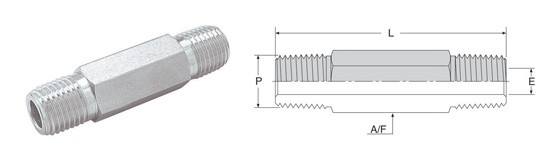
Material Choice Drives Service Life: Component metallurgy shapes how a line copes with moisture, chemicals and temperature swings. Reliable stainless steel pipe fittings in India give plants stronger corrosion resistance and steadier sealing than cheaper alternatives, which matters in chemical, marine and food applications. The right grade resists pitting, holds tolerance under load, and extends the interval between costly shutdowns.

Fast Connections Keep Air Systems Moving: Air-powered tools, actuators and clamps need joints that mate and release without leaks or fuss. Quick-acting pneumatic couplings support rapid changeovers on assembly lines, letting operators swap tools in seconds while the system holds its set pressure. That speed reduces idle time, perhaps the most underrated factor in keeping a busy production cell on schedule.

What Separates A Seal That Lasts

Thread And Ferrule Design Matter: Leak integrity depends on how a joint grips and seals the tube. Well-made compression fittings bite onto the tube with a ferrule that forms a gas-tight ring, holding firm through vibration and thermal cycling. Engineers compare connection types by pressure rating, reusability and how cleanly each one disassembles for inspection during planned maintenance, when clean disassembly saves field hours.

Surface Treatment Protects The Metal: Even strong alloys need help resisting attack at the surface. The passivation process removes free iron and builds a thin protective oxide layer that improves long-term resistance in aggressive media. For high-purity lines such as semiconductor or pharmaceutical service, this finishing step keeps contamination low and sealing surfaces clean across years of duty.

Choosing Parts That Earn Their Keep

Match The Component To The Duty: Selection starts with the application, not the catalogue. A buyer weighs the medium, the working pressure, the temperature range and the cleanliness the process demands before settling on a material and connection style. A short checklist helps procurement and engineering teams agree on the same priorities before an order goes out, which avoids costly returns.

  • Pressure and vacuum rating the line must hold
  • Material grade matched to the medium, such as 316 or 316L
  • Thread or connection type for compatibility with existing equipment
  • Temperature range across normal and upset conditions
  • Cleanliness and finishing needs for sensitive processes

Testing Confirms What Specifications Promise: A drawing only proves intent, performance proves the part. Reputable manufacturers verify joints through hydrostatic and leak testing, checking that each design holds rated pressure and stays tight in vacuum service. This validation gives engineers confidence that field behaviour will match the data sheet, even under the swings a working plant throws at it.

Total Cost Tells The Real Story: A cheap fitting that leaks is expensive once you count lost product, rework and unplanned stoppages. Buyers who study lifecycle cost rather than unit price tend to specify better materials and proven designs from the start. That discipline, perhaps unglamorous, quietly protects margins across the full service life of a system.

Building Operations That Stay Tight Year After Year

Strong pipe fittings and dependable couplings are not minor line items. They protect uptime, safety and the cost targets every plant lives by. Specifying corrosion-resistant components and verified couplings now saves far more than it spends later. Talk to an experienced manufacturer of precision fittings and couplings to match the right parts to your process today.

Featured Image Source: https://sealexcel.com/wp-content/uploads/2020/03/Long_Hex_Nipple_Drawing.jpg

How Marble Temple Art Reflects India’s Deep Connection Between Spirituality and Craftsmanship
Posted in

How Marble Temple Art Reflects India’s Deep Connection Between Spirituality and Craftsmanship

Walk into any older Indian household and the prayer corner usually holds the most cared-for object in the room. Stone carvers have spent generations refining this craft, shaping marble into temples that carry both spiritual weight and visual beauty. The story behind each carved piece tends to run deeper than most casual observers realise at first glance.

Where Stone Meets Sacred Memory

Carving Traditions Rooted In Northern Workshops: A finely carved marble temple in Delhi carries echoes of centuries-old workshop practices, where artisans pass tools and motifs from father to son over decades. The lotus, the elephant, the spire shape, these patterns repeat because they have always meant something specific. Buyers in the capital often choose Vietnam White Marble for its consistent, clean grain and lasting finish.

Southern Styles That Shift The Vocabulary: Move down south and the visual language shifts noticeably. A marble temple Hyderabad family commissions often features Dravidian-style gopuram detailing, layered tiers, and figurative work denser than the northern aesthetic. The stone itself stays the same, Vietnam White Marble valued for its purity, but the carving vocabulary changes considerably from one region to another part of the country.

The Threads That Bind Devotion And Design

Why Heritage Still Shapes Sacred Spaces: Something in Indian culture treats the home temple as more than ornamental furniture, more than décor. It sits at the meeting point of family rhythm and faith, an object that grandchildren often remember decades later. The marble itself carries a quiet weight, neither showy nor entirely plain, just present in the household through every passing year.

Symbols Carved With Specific Intent: Every motif on a temple has its own purpose. Motifs like the bell, the kalash and the swan finial are not random decorative choices but pieces of a wider symbolic system. Artisans learn the meaning of each before they pick up a chisel, which is partly why the culture and traditions’ importance of these objects continues to resonate in the final shape.

The Living Heart Of Family Worship

Daily Rituals That Anchor The Home: Morning lamps, the smell of incense settling into stone, a child being lifted up to ring a small bell. These small moments build over years and eventually become memory itself. A marble shrine is not really a decoration. It functions more as a stage for repeated small acts of attention that families come back to.

Features That Make A Home Mandir Endure: Several practical aspects decide whether a marble shrine becomes a lasting family piece or just another object that ages poorly over time. The right combination of craftsmanship and material choice tends to matter far more than surface ornamentation alone.

  • Hand carved domes and pillars built to last beyond one generation
  • Vietnam White Marble surfaces that resist staining from oil lamps and ghee
  • Storage compartments shaped for puja thalis, bells, and small idols
  • Soft polish that catches morning light without harsh glare
  • Scaled proportions that suit modern apartment layouts as well as larger homes

A Quiet Inheritance Carved In Stone

The pull toward a beautifully carved marble temple is not really about décor or matching the rest of the room. It is about anchoring a family to something older than any of us, a thread of devotion and craft that keeps going. Anyone considering a home mandir worth keeping for generations should explore handcrafted Vietnam White Marble options before deciding.

Featured Image Source: https://drive.google.com/file/d/1_r6_Vo8BLUtmW7u11D0tDrF3kW6UPeSm/view?usp=drive_link

How Medical Science in the USA Advances Through Ethical Body Donation to Science
Posted in

How Medical Science in the USA Advances Through Ethical Body Donation to Science

Medical progress in the United States rests on a strong foundation of human anatomy study, surgical skill development, and direct scientific inquiry. Donor programs give researchers and educators access to real human tissue under tightly regulated conditions. The result is better-trained doctors, safer procedures, and steadily improved patient outcomes across hospitals throughout the country.

Rules That Shape Every American Donation Program

Legal Backbone Of The Donation System: The Uniform Anatomical Gift Act gives Americans a clear legal pathway for donating body to science after death, with full protection for personal wishes. Each state has adopted its own version of this statute, and consent must be voluntary, documented, and entirely free from outside pressure, coercion, or any kind of financial influence.

What Goes Into A Documented Consent Record: Reputable body donation programmes require written authorization from either the donor during life or the next of kin after death. Records typically include identification details, medical history, witness signatures, and clear statements of intent. This paperwork carefully protects families, donors, and the receiving organization throughout the entire donation process.

Where Donated Bodies Travel After Acceptance

Real Bodies Behind Real Doctors In Training: Medical schools rely on donor programmes to teach gross anatomy, the foundational subject for every aspiring physician. First-year students spend months working alongside small teams to study muscle groups, organ systems, and complex skeletal structures. No textbook diagram or digital model can fully replace what direct examination of the human body teaches.

Practice Time That Saves Live Patients Later: Surgical residents practice complex procedures on donated bodies long before they ever treat a living patient. Orthopaedic specialists rehearse joint replacements, neurosurgeons work through delicate brain operations, and trauma teams refine their critical emergency techniques. This rehearsal time directly reduces error rates and saves real lives in operating rooms.

Discoveries Built on Quiet Donor Generosity

Disease Mapping Through Donated Material: Researchers studying disease progression depend on donated tissue to test theories that cannot be safely examined in living patients. Cancer pathways, neurological disorders, and degenerative conditions are carefully mapped through study of donated material. These investigations have led to drugs, devices, and diagnostic tools now used in hospitals around the world.

Designing Devices With Human Anatomy In Mind: Medical device companies also work directly with donor programmes when designing new implants, prosthetics, and surgical instruments. Engineers must test how their products interact with human bone, nerves, and connective structures under realistic operating conditions. This step protects future patients from defects or design flaws that animal models or computer simulations may miss.

Key Steps That Every Donation Programme Must Follow

Checks That Keep The System Safe And Ethical: Before any programme accepts a donation, several critical checks must take place to maintain safety and legal compliance. These steps protect lab personnel, future students, and the integrity of the wider donation system. Each item below carries weight, and skipping even one can disqualify a potential donor from acceptance.

  • Verified identification and official proof of death issued by qualified medical authorities
  • Full screening for transmissible illness or infection to protect lab workers and students
  • Confirmation of the donor’s clearly documented wishes or written family authorisation
  • Coordination with the receiving programme before any transport arrangements begin

A Quiet Gift That Echoes Through Generations

Every donor who chooses this path leaves behind something far larger than a single life. Their gift trains the next generation of healers, fuels new discoveries yet to come, and eases the financial strain that often falls on grieving families. Anyone considering this option should reach out to a registered donation program today to learn more about the steps involved.

Featured Image Source: https://images.unsplash.com/photo-1715634430473-c5891ff16103?w=600&auto=format&fit=crop&q=60&ixlib=rb-4.1.0&ixid=M3wxMjA3fDB8MHxzZWFyY2h8MjB8fHN1cmdlcnklMjBpbWFnZXN8ZW58MHx8MHx8fDA%3D

The Biggest Problem in Global Logistics Today Is Not Delays, It Is Discovering Them Too Late Without Real Time Shipment Tracking
Posted in

The Biggest Problem in Global Logistics Today Is Not Delays, It Is Discovering Them Too Late Without Real Time Shipment Tracking

Most supply chain teams still depend on milestone updates, carrier phone calls, or end-of-day reporting that surfaces problems hours or sometimes days late. By the time a stationary container or a missed connection becomes obvious, schedules have already slipped, inventory plans look shaky, and customer service teams are fielding awkward questions from waiting clients.

From Blind Hauls to Visible Cargo Movement

Real Time Container Intelligence Built for Long Hauls: Solar powered GPS tracker for containers is a self-charging location device built for long voyages and yard storage, giving fleet operators continuous visibility across multi-week journeys without battery swaps. Sea freight, rail corridors, and intermodal yards become traceable in near live conditions, removing the dark zones that traditional manual reporting tends to leave wide open.

Catching Disruptions Before They Multiply: Real time shipment tracking is a continuous data feed from cargo to control tower, giving operations teams instant awareness of where goods sit, how fast they move, and what conditions surround them. Early warnings about port congestion, route deviations, or temperature spikes reach planners while there is still room to act, not after damage is done.

Turning Sensor Streams Into Smarter Decisions

Spotting Risk Patterns Before They Strike: Live data only matters if it sharpens the next call. Modern control towers feed historical journeys, weather feeds, and carrier performance into predictive analytics engines that flag likely delays before they materialise. A planner sees that a Mediterranean route has perhaps a 70 percent chance of slowdown next week and can rebook shipments early enough to protect deadlines.

Sharper Forecasts From Cleaner Data: Forecast accuracy depends on the quality of inputs reaching the planner’s screen. Trackers reporting location, temperature, humidity, shock, and tilt at hourly cadence build a far richer picture than carrier EDI feeds alone. Stronger inputs mean fewer gut-feel decisions, less buffer stock, and tighter promised delivery windows that hold up across multi-leg international journeys.

Building Resilience Into Every Mile of the Journey

Triaging Issues Without Drowning in Alerts: Visibility without filtering creates noise. Strong exception management rules let operations focus on shipments that actually need attention, ignoring the routine ninety percent that move as planned. Threshold breaches on temperature, geofence exits, dwell time at ports, and unexpected route changes get flagged to a named owner with the next action already prepared.

Where Operational Gains Show Up Quickly: Teams that move from passive milestone reports to live visibility tend to see measurable improvements within the first quarter of rollout. The financial case usually writes itself once a few high-value loads avoid spoilage or theft. Common gains reported across freight forwarders, 3PLs, and shippers running cold chain or fragile cargo include the following.

  • Lower insurance premiums backed by proof-of-condition data on every shipment
  • Fewer claims from buyers thanks to faster issue detection during transit
  • Reduced safety stock as confidence in promised arrival windows climbs
  • Faster customs release through digital documentation and verified routing

Stronger Stakeholder Trust Through Shared Truth: Customers and insurers grow more demanding every year. They want hard evidence that goods were handled correctly, not assurances drawn from paperwork. Sharing dashboards, journey playbacks, and tamper logs with key partners changes the conversation from reactive blame to shared accountability, which protects long-running contracts and opens doors to higher-value cargo lanes worth winning.

Ready to Move From Late Discovery to Live Command

The shift from milestone-based status checks to constant cargo intelligence is no longer optional for serious operators. Schedules, margins, and brand reputation depend on knowing what is happening to every load, the moment it happens. Get in touch to see how live supply chain visibility can give your operation the early warning it needs to stay ahead.

Featured Image Source: https://eadn-wc01-16575410.nxedge.io/wp-content/uploads/2021/06/solarlive-mockup4.jpg

Soft Furnishings Often Hold More Dust and Allergens Than Homeowners Realise
Posted in

Soft Furnishings Often Hold More Dust and Allergens Than Homeowners Realise

Most homes look clean on the surface. Skirting boards get wiped, floors hoovered, kitchen tops polished after dinner. Yet the sofa, armchair, and curtains hanging by the window all hold something different. Years of dust, skin cells, pollen, and pet hair sit deep inside the weave, often unnoticed until someone in the house starts sneezing more than usual.

What Lives Inside Your Favourite Sofa

Fabric Behaves Like A Sponge: The fabric on the furniture pulls in moisture from the air, hair from pets, and tiny particles every time someone sits down for the evening. Over months this builds into a layer that hoovering barely touches. Upholstery cleaning services London households rely on use of deep extraction methods to lift this hidden buildup out of the cushions, frame, and back panels.

Spring Stirs Up A Different Kind Of Mess: Warmer months stir up pollen, and open windows let outdoor particles drift indoors throughout the day. Sofas absorb more of this than people expect, especially in homes near busy roads. A proper spring cleaning service tackles upholstery alongside the usual jobs, treating fabrics, cushions, and curtains so the home feels fresher once heating switches off.

The Bits Standard Cleaning Misses Every Week

Surface Wipes Leave Plenty Behind: A quick vacuum across the cushions only takes the loose stuff sitting on top. Anything pressed deeper into the fibres stays put no matter how thorough the weekly hoover is around the room. Professional hot water extraction flushes the fabric properly, drawing out grit, oils, and old stains that ordinary cleaning never reaches throughout the year.

Odours Sit Inside The Weave Too: Cooking smells, pet odours, and damp from spilled drinks all settle into fabric and refuse to leave on their own. Treating the cushions and frame makes a real difference to indoor air quality, especially in flats where windows stay shut for most of the winter months. The room itself smells noticeably different once the team finishes.

Why Allergy Sufferers Feel The Difference

Tiny Particles Cause The Bigger Problems: Dust mites and their waste collect in soft furnishings faster than most realise. People with asthma, eczema, or hay fever often feel worse at home without knowing why the symptoms keep flaring up. Cleaning upholstery directly removes several common irritants that build up inside cushions, throws, and curtains over the months:

  • Dust mite waste trapped deep inside cushion fibres
  • Pet dander pressed flat into the fabric weave
  • Pollen carried in from open windows during summer
  • Old skin cells that feed growing mite populations
  • Mould spores from damp corners and forgotten spills

Children And Pets Spend More Time Down There: Toddlers crawl across sofas and rugs every day after school. Dogs and cats sleep on them most afternoons through the week. Faces press into cushions for hours each evening through telly time. Whatever sits in the fabric gets breathed in directly. Cleaning soft furnishings properly matters more in homes with young children or animals than people often think.

Bringing Comfort Back To Every Room

Fresh sofas, cleaner curtains, and rugs that no longer hold a year’s worth of dust make a real difference to how a home feels day to day. Booking a thorough clean before guests arrive or seasons change keeps the soft furnishings in good condition for longer. Get in touch with the team to arrange a visit and see the results for yourself.

Featured Image Source: https://i0.wp.com/tandmclean.co.uk/wp-content/uploads/2025/11/a-close-up-photo-of-upholstery-cleaning-taking-place-in-a-persons-home.webp?resize=620%2C672&ssl=1

Remote Canadian Fishing Adventures Are Becoming the Ultimate Outdoor Escape
Posted in

Remote Canadian Fishing Adventures Are Becoming the Ultimate Outdoor Escape

Something has shifted in how people plan time away from work. The packed beach week and the chain hotel feel tired, and folks who own tackle boxes keep looking further north. The bush road, the loon call at dusk, the lake that holds fish because nobody else gets in. That picture sells itself now.

Why The Bush Calls Louder Than The Boardwalk

A Different Kind Of Time Off: An Exclusive Quebec Outfitter sits at the end of a long gravel road, far from the closest town, and that distance is the point. Guests are not chasing a spa weekend. They want walleye on the jig, a wood stove going at night, and a sand-beach lunch under jack pines. The drive itself begins the reset.

Quiet Water Stays Quiet: A Restricted Access Outfitter earns its label through more than marketing. The lake sits inside a controlled-access zone with one operator, no cottages, no public boat launch, and no winter ice fishing permitted. Pressure on the fishery stays low because nobody else has the right to touch it. That kind of setup is hard to find now.

Trophy Fish And The Rules That Protect Them

Where Pike Get Room To Grow: A Quebec Northern Pike Outfitter built on a fifteen-mile lake gives the water-wolf the space it needs. Pike between 24 and 32 inches show up regularly in the boats, and forty-inch fish are caught and released each season. Dated catch photos posted month by month back that record with real evidence.

Walleye Held Under Provincial Law: A serious Quebec Sportfishing Outfitter does not need to invent house rules when Quebec already protects the lake. Walleyes between 14.5 and 21 inches must be released by law, a slot that has been held since 2010. Guests still bring home a respectful meal of smaller fish at the weekend. The law does the work that camp rules cannot.

What A Full Week Up The Lake Actually Holds

Boreal Quiet And Wildlife At The Door: The boreal forest wraps the camp on every side, and the silence at dawn is what most guests remember first. Loons call across the bay before sunrise. Moose wade out into shallow water through the shoulder months. A black bear print on the trail is a fair surprise. Wildlife is part of the price of admission this far north.

Cabins, Boats, And Shore Lunch: Housekeeping cabins come with propane stove, propane fridge, and a wood stove for cold mornings. Boats and motors sit ready at the dock each day. The catch and release habit gets reinforced by the guides as the week goes on. Sand-beach shore lunches sit firm as a mid-week tradition. Every cabin has hot water and a three-piece bathroom.

Who The Trip Suits Best: Anglers in groups of four to twelve fill most of the season’s bookings, and many bring sons, brothers, or longtime fishing partners. The mid-July to mid-August stretch sees families joining for a slower pace. A typical week tends to suit a few specific types of guests:

  • Return anglers chasing trophy pike and slot-released walleye
  • First-timers weighing Quebec against other Canadian outpost camps
  • Families looking for sand-beach swimming and shallow-water dock fishing
  • Multi-generation groups booking a private island outpost for quiet

Where The Long Drive Earns Its Keep

Booking The Right Week Ahead: The slots that fill first are the prime weeks in late June through July, when pike and walleye are most active on the lake. Dated photos from the current season sit in the gallery for anyone weighing the long drive ahead. Reservations and direct contact details are available at ogascanan.com.

Featured image source: https://ogascanan.com/img1D3.jpg

The Rise of Gentle Hair Accessories in Sustainable and Conscious Beauty Choices
Posted in

The Rise of Gentle Hair Accessories in Sustainable and Conscious Beauty Choices

Today’s beauty routines look different from a decade ago. Shoppers compare materials and impact before adding anything to a daily kit. Hair accessories sit right at this crossroads of style and ethics, where small choices add up. The category is quietly evolving toward gentler tools that protect strands and surroundings.

A Quieter Shift Across Daily Beauty Routines

Why Soft Holds Matter More Than Ever: Soft accessories have moved past being a niche request and are now a baseline expectation for daily use. Many readers actively search for hair ties with no damage options after years of breakage and uncomfortable creases left behind by tight elastics. The shift reflects a deeper care for hair health and lasting comfort throughout busy days.

The Push Toward Cleaner Choices: The importance of sustainability also pushes this category forward in steady ways. Buyers want products that perform well and respect the planet during sourcing and disposal stages. Brands that ignore plastic waste or rely on synthetic blends now face harder questions from a more informed audience. This pressure shapes design decisions across the personal care space.

Materials That Treat Strands With Care

Cores That Stretch Without Plastic: Materials carry the weight of these gentler choices in real measurable ways. Cores made from natural rubber stretch and recover without releasing microplastic shedding into water systems during washing or storage. Pairing this kind of base with breathable fabric covers gives accessories a soft hold and longer wear life when compared with synthetic options.

Outer Layers Made From Plants: Outer fabric choices have grown more thoughtful in recent years. Plant-based fibers sourced from agricultural byproducts give accessories a soft surface that grips hair gently without pulling at the cuticle layer. Some pineapple fiber blends even tighten slightly when damp, which keeps a ponytail in place during workouts and humid afternoons without extra tension.

Soft Hold That Suits Every Strand Type

Across Every Hair Type and Texture: Hair varies in texture and density across many people, so accessories need to adapt across different daily needs. A soft, gentle accessory serves thick strands without slipping and supports fine hair without creating tension knots. Curly textures stay defined while straight hair holds without flat creases pressed across the length of a midday ponytail.

A Quick Look at Daily Benefits: Soft accessories deliver a few practical wins that show up after just one week of regular use:

  • Less breakage during ponytail wear and quick updos
  • No deep creases left after long hours of styling
  • Reliable grip during sweaty workouts and warm days
  • Reduced waste in bathroom drawers and trash bins

Built To Last Beyond One Season: Lifespan changes the math behind every accessory. A piece designed with care can hold steady for nearly a year of regular wear, replacing dozens of cheap elastics that snap within weeks. That kind of staying power saves money over time and shows up as cleaner trash bags filled with fewer broken bits of plastic.

Stepping Into a Softer Daily Rhythm

Small swaps add up to bigger results when daily tools start working with hair instead of against it. Choosing a gentler, plastic-free accessory protects strands and trims waste at the same time. Buyers ready to make the switch can explore a thoughtfully made hair tie and bring softer, smarter design into a morning routine.

Featured Image Source: https://ciaobellacollective.com/cdn/shop/files/182503624.jpg?v=1777255102&width=1000

Why Older North Bay Homes Often Need a More Experienced Plumbing Team Than Owners Expect
Posted in

Why Older North Bay Homes Often Need a More Experienced Plumbing Team Than Owners Expect

Older homes have character, but they also carry decades of wear/tear inside walls, under floors, and deep in the ground. Most owners assume a quick fix will sort things out, only to find the same problem returning weeks later. When a plumbing system has years of stress behind it, the real issue is rarely the one visible at first glance.

When Age Catches Up With the Pipes Below

Reading the Signs Before They Become a Crisis: Ageing infrastructure in older properties often requires more than a fast patch job. A North Bay best plumber brings the diagnostic experience to look beyond the symptom and trace problems back to their source. Root intrusion, corroded fittings, and pressure inconsistencies all require hands-on knowledge built from working with older systems over many years.

Why Material Knowledge Changes Every Repair Decision: Working with a North Bay best plumbing company means having a team that understands how older materials behave differently from modern ones. Cast iron, clay tile, and galvanised steel all have specific failure points that show up in predictable ways. Getting that diagnosis right from the start saves homeowners from repeated repairs and mounting costs.

What Surface Repairs Miss in Long-Standing Properties

Where the Frustration Starts for Most Homeowners: Pipe corrosion is one of the most overlooked contributors to recurring plumbing problems in older properties. Fix the drain, then find another blockage three months later. That cycle happens because the repair addressed the backup, not the underlying deterioration. Sewer camera inspections change this by showing exactly what is happening inside pipes that would otherwise stay out of sight.

Spotting the Pattern Before It Escalates: Several signs suggest an older property needs more than a standard repair:

  • Slow drains that keep returning after clearing
  • Discoloured water linked to corroded pipe walls
  • Low or inconsistent water pressure throughout the property
  • Gurgling sounds pointing to deeper sewer line stress
  • Visible rust or mineral buildup around fixtures

The Tools That Change What Diagnosis Looks Like

How Inspections Replace Guesswork With Evidence: Modern plumbing work on older homes depends on the tools used before any repair begins. Trenchless pipe repair is one approach that allows teams to address internal deterioration without tearing up flooring or landscaping, making it a practical option for properties where disruption needs to be kept to a minimum. Confirming what actually needs replacing versus what can still hold is how proper diagnosis protects homeowners from unnecessary costs.

Why Mixed Materials Demand a Closer Look: Repiping, drain clearing, and sewer line restoration all produce better outcomes when the scope is understood clearly first. Older homes often carry mixed materials throughout the system, sometimes galvanised in one section and copper in another, each with its own wear timeline. A thorough inspection reveals where the system is weakest before any repair work begins.

A Home That Has Lasted This Long Deserves the Right Care

A home that has stood for decades deserves plumbing work that respects its age, not guesswork applied in a hurry. Quick fixes without proper diagnosis tend to return, and that failure always costs more than doing the job correctly from the start. Reach out to a local plumbing team experienced with older properties and get a proper assessment before the next issue grows into something far more costly.

Featured Image Source: https://plus.unsplash.com/premium_photo-1663045495725-89f23b57cfc5?w=600&auto=format&fit=crop&q=60&ixlib=rb-4.1.0&ixid=M3wxMjA3fDB8MHxzZWFyY2h8NXx8cGx1bWJpbmd8ZW58MHx8MHx8fDA%3D

What To Expect When Filing A Personal Injury Claim
Posted in

What To Expect When Filing A Personal Injury Claim

Injuries may lead to things such as medical expenses, mental suffering, lost wages, and an uncertain future. Whether caused by a motor vehicle accident, a workplace accident or a slip-and-fall accident, once a victim knows the steps for filing a claim, they will make informed decisions. If another party’s negligence is to blame for the injury sustained, they will usually be required personal injury attorneys lawsuit and take the case to court.

When A Personal Injury Lawsuit Becomes Necessary

Not every injury claim will be filed in a lawsuit right away. Many times, the insurer will try to resolve the claim early. Problems may arise when the insurer refuses to take responsibility, undervalues the injury, and/or delays payment. Legal action may be required at this point.

A personal injury claim allows the victim to seek compensation for damages sustained in an accident. The damages that may be sought in such an action may include medical costs and expenses, rehabilitation costs, loss of income, loss of future income and pain and suffering. Personal injury attorneys lawsuit representing victims of personal injury claims take a detailed look at the accident’s circumstances to determine who is at fault and to gather evidence to support the claim.

To help lawyers build evidence and prove the case, there are many types of witnesses available, including medical professionals, accident reconstruction specialists and eyewitnesses. Almost all serious injuries will require careful strategic planning to build an effective legal strategy for the injury victim who has suffered a serious injury or faces a lengthy recovery.

Benefits Of Scheduling A Free Consultation

The majority of accident victims hesitate to contact a lawyer because they are afraid of the legal processes and costs. Lawyers provide free claims consultations in the vicinity. During such a free attorney consultation near me, a lawyer can review the details of the accident, explain what legal action the victim can take, and estimate how likely the case is to be won.

The victim should also be aware of the legal timeline and what evidence is necessary moving forward, based on this initial conversation. Medical records, photos, witness information, insurance records and police reports are options a lawyer can request to investigate the case thoroughly.

An attorney’s level of comfort may be determined by a free attorney consultation near me. The choice of a lawyer or law firm after an injury resulting from the negligence of another person or a company should be based on communication, experience and transparency.

Common Challenges In Injury Claims

There are several reasons why personal injury cases can become complicated. One example involves an insurance company arguing that the injury resulted from a prior condition rather than the accident, and/or the victim sharing some responsibility for the accident. Another factor is that valuable evidence can be lost if there is any delay in taking legal action.

The second problem is that future losses should also be assessed correctly. A severe injury might lead to a series of expenses on medical care and the recovery process that will negatively impact the victim’s finances for many years ahead. Personal injury attorneys lawsuit ensure their clients have everything taken into account before any settlement is offered.

Moreover, one should not disclose too much information when speaking with an insurance adjuster without first consulting a lawyer. The statements might come back to bite us later.

Conclusion

Getting back on one’s feet after suffering an accident is not always simply a matter of physical recovery. The financial strain, insurance complications, and legal ramifications can quickly add up to an insurmountable burden. Initiating a case by filing a personal injury attorneys lawsuit will ensure that the individual receives the compensation they deserve for all the damages they incurred. Setting up a free attorney consultation near me could be a good start.

Featured Image Source: https://images.pexels.com/photos/8943097/pexels-photo-8943097.jpeg?_gl=11t0sf7u_gaMjA2ODIyOTg5NS4xNzc1NDU5NzM5_ga_8JE65Q40S6*czE3Nzg0NzUwNzkkbzI3JGcxJHQxNzc4NDc1MTAxJGozOCRsMCRoMA..

How Healthcare Practices Can Reduce Risk Through Structured Clinical Supervision
Posted in

How Healthcare Practices Can Reduce Risk Through Structured Clinical Supervision

Aesthetic and wellness practices sit at a curious crossroads in healthcare today. They perform medical procedures yet often run with business-first leadership at the helm. That gap creates trouble when regulators ask who is actually in charge of clinical decisions. Without a clear line of supervision, even a well-run clinic can stumble into board inquiries it never saw coming.

Clinical Leadership That Carries Weight

A Foundation Built on Physician Accountability: The case for hiring a medical director starts with one simple truth at the center of clinical operations. Someone has to own up to the patient outcomes. A qualified director reviews protocols and stands behind the care each patient receives. That kind of ownership protects patients first and gives non-physician operators a defensible structure when state medical boards start asking pointed questions.

Partnership That Goes Beyond Paper: Bringing in a collaborating MD changes the texture of day-to-day operations. The physician reviews charts and helps shape the scope of what advanced practitioners can safely perform. That partnership turns clinical supervision into a living practice rather than a signature collecting dust in a filing cabinet, which tends to be where regulatory trouble quietly begins.

Where Quiet Gaps Turn Into Loud Problems

Unsupervised Environments Invite Scrutiny: Clinics that lack proper oversight often discover the risk only after something goes wrong in the treatment room. Missed contraindications and undocumented treatment decisions can surface during a complaint investigation. Proper HIPAA compliance paperwork alone cannot shield a practice from scope-of-practice violations, which remain one of the most common triggers for state medical board action against med spas and wellness clinics.

Reactive Fixes Rarely Finish the Job: Waiting for a problem to appear before building infrastructure usually costs far more than preventing the issue up front. Reactive practices tend to bolt on policies piecemeal after an incident arrives, which rarely convinces a regulator the correction is meaningful. The evidence of reactive operation shows up in a few repeated patterns that seasoned auditors tend to spot quickly:

  • Protocols written the week after a complaint arrives
  • Training logs that suddenly start the day before an audit request
  • Medical director signatures added retroactively to old charts
  • Policies copied from unrelated states with no local adaptation

Systems That Speak Before Auditors Do

Documented Oversight as a Daily Habit: Proactive clinics treat documentation as part of the daily workflow rather than a paperwork chore at year-end. A consult note or a standard operating procedure review leaves a trace that auditors can read years later. That record becomes the clinic’s strongest evidence during any audit. Written and version-controlled materials demonstrate intent far better than verbal assurances ever could.

Consistency Across Every Location: Multi-site operators carry extra risk because variation between locations signals weak central governance to outside reviewers. Standardized clinical protocols and uniform training modules keep care quality steady as practices add treatment rooms or expand into additional states. Consistency also gives investors and potential acquirers confidence that the underlying clinical engine can handle growth without fracturing along the way.

Practices Built for the Long Haul

Structured supervision builds a practice that patients and regulators can trust over time, while keeping the business on solid compliance footing. Clinics ready to strengthen clinical governance can schedule a consultation with a qualified advisory team to identify oversight gaps. Expert guidance helps evaluate current medical director arrangements and chart a compliance path that supports safe, profitable growth.

Featured Image Source: https://images.unsplash.com/photo-1576091160550-2173dba999ef?w=600&auto=format&fit=crop&q=60&ixlib=rb-4.1.0&ixid=M3wxMjA3fDB8MHxzZWFyY2h8Mnx8aGVhbHRoY2FyZXxlbnwwfHwwfHx8MA%3D%3D

Pimple Patches 101: Hydrocolloid, Microdot, and Everything Between
Posted in

Pimple Patches 101: Hydrocolloid, Microdot, and Everything Between

It was once the same thing when talking about acne remedies. It would be a bottle of abrasive cream, some stinging gel, and then a few days of skin flaking around the spot. But then it became clear that the same substance used by the hospital for burn patients could also extract impurities from a spot, in the form of acne patches.

Now there are dozens of types of pimple patches available on the shelf. Some absorb. Some deliver ingredients into the skin. Some barely do anything at all. If you have stood in a pharmacy aisle wondering which one to grab, this is for you.

What a Pimple Patch Is, in Plain Words

An acne patch is a small sticker that sits on a breakout. The good ones are made of hydrocolloid, the same dressing material used in wound care. The patch turns into a soft gel against the skin and pulls fluid, oil, and bacteria out of the pore.

You can see it work. After a few hours, the patch turns cloudy or white. That milky color is what used to be inside the pimple.

A patch also serves as a barrier. Your fingers cannot reach the pimple. Bacteria from the outside cannot get in. According to the American Academy of Dermatology, picking and squeezing pimples raises the risk of scarring and dark spots that can last for months.

Hydrocolloid: The Workhorse

When dealing with a whitehead on your skin’s surface, the ideal patch to apply is the hydrocolloid patch. This kind of pimple contains fluid, which the patch can suck into itself, while the seal encourages fast healing. Place a thick overnight patch on the pimple after cleaning it. Come morning time, you will notice a difference.

Skip moisturizer or oil on the spot first. Wear time should be six to twelve hours. Beyond that, the patch is saturated and stops working.

Microdot: The Patch That Reaches Deeper

Hydrocolloid does very little for a deep, painful bump that has not surfaced. There is nothing to absorb yet.

That is where microdot patches come in. The patch has tiny dots on the underside. Each dot dissolves into the upper layer of skin and carries support past the surface barrier. The patch reaches the pimple from above instead of waiting for it to come up.

Microdots are most effective when applied to the bump you can feel but cannot see, or the red sore that will not pop up. Applying a microdot at the right time may make your breakout cycle shorter. Some bumps disappear without developing a head, and that is the quiet success of good skincare.

Matching the Patch to the Pimple

Most people fail with patches because they buy one type and use it on every breakout. The right pimple patch depends on what your skin is doing right now, not on what was on sale last week.

Zitlabs built the line around exactly this gap. Three patches matched to three stages. Overnight for whiteheads. Daytime for everyday wear and healing. Microdot for the deep bumps that refuse to surface.

Browse the full collection at patchtherapy.com/collections/all and pick the patch that fits your next breakout.

Featured Image Source: https://media.istockphoto.com/id/2238503127/photo/acne-patch-smile-and-skincare-with-woman-in-studio-for-spot-treatment-beauty-and-blemish.jpg?b=1&s=612×612&w=0&k=20&c=Yl3PZ3iAd-xi8ftCHIfSInIDj24Hg8dR9sdTEDJYZyo=

Chennai to Salem Drop Taxi and Drop Taxi Chennai to Trichy: Routes, Fares, and What to Expect on the Road
Posted in

Chennai to Salem Drop Taxi and Drop Taxi Chennai to Trichy: Routes, Fares, and What to Expect on the Road

You set off from Chennai with a definite plan. Arrive at Salem by lunch. Visit the temple at Srirangam before the closure in the afternoon. Drop your kin at the Trichy junction and return. But the road makes some decisions for you. The Chennai to Salem drop taxi counts much more than what is generally appreciated. Six to seven hours of an uncomfortable suspension ride. Frequent stops to enquire about the route direction. The AC system broke down in the middle of the journey near Vellore. All this turns an ordinary journey into an unforgettable one.

Chennai to Salem Drop Taxi

A Chennai to Salem drop taxi basically travels the NH48 route, covering Sriperumbudur, Vellore, Krishnagiri, and then heading towards Salem. The distance covered was approximately 340 kilometres. Journey time is six hours on a clear morning. Seven and a half hours if you travel after 8 am.

The road is in decent condition for most of the stretch. The rough patches sit between Ranipet and Vellore, where work has been on and off for years. Toll plazas at Sriperumbudur, Vaniyambadi, and Krishnagiri.

Most travellers heading to Salem are visiting family, attending a wedding, or going onward to Yercaud. The road continues from Salem to Yercaud through a hill stretch of about 28 km, which adds an hour. Mention this at booking if you plan to go further.

Drop Taxi Chennai to Trichy

The drop taxi Chennai to Trichy route runs on a different highway. NH32 most of the way, through Tindivanam, Villupuram, Ulundurpet, and Perambalur. Roughly 320 km. Five and a half to seven hours.

A fair share of bookings on this route are pilgrimage trips. Srirangam, ten kilometres from Trichy junction, draws families heading to the Ranganathaswamy temple. Samayapuram Mariamman temple sits even closer to the highway. Many travellers ask the driver to stop at Samayapuram on the way in, then continue to Srirangam in the morning.

The driver is familiar with the paths around the temple. He does not need an app on his phone to navigate to the point where he has to take the East Chithirai Veedhi path to reach there. It may seem trivial at first glance, but it’s not when one has driven around the temple at noon under the hot sun with one’s parents seated behind him.

Getting up at 4 am in the morning in Chennai so as to reach Srirangam early enough for the darshan is what many people have done. The trick here lies in leaving Chennai when everyone else is asleep, having breakfast somewhere around Ulundurpet, and reaching the temple.

What to Expect on the Road

Your cab will arrive as scheduled. Two hours before you leave, you get all the information on the driver and the car you will be travelling in, allowing you to communicate any luggage issues that arise with him.

There is ample opportunity to take a meal along both routes. Branches of both A2B and Saravana Bhavan are present on the NH48 corridor in Vellore. However, you have better meals on the Trichy route in the areas of Tindivanam and Perambalur.

The phone signal stays solid on most stretches. There is a short dead zone near the Krishnagiri ghat. The Trichy route holds a signal almost the whole way.

Booking

Call or WhatsApp 9487117000. Confirmation in ten minutes. Free cancellation up to twenty-four hours before pickup. The cab is on its way before you finish packing.

Featured Image Source:  https://media.istockphoto.com/id/1314088407/photo/gayetri-temple-behind-sri-kapaleeshwarar-temple-chennai-india.jpg?b=1&s=612×612&w=0&k=20&c=bkxv2qSdVKfQoZe0BKV0cQWFh8qu9NeWAeLTuA7xGuA=