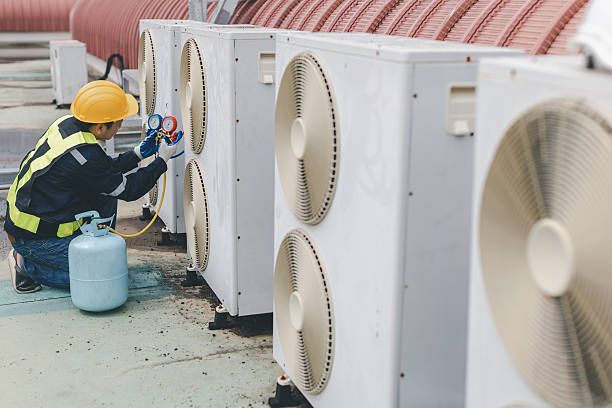
Energy regulations across the UK have tightened considerably over recent years. Building owners now face stricter requirements around system efficiency, documentation, and regular inspections. Falling behind on these obligations can trigger fines, failed audits, and reputational damage that affects property values and tenant relationships.
A well-maintained commercial air conditioning service programme forms the backbone of regulatory compliance for any building with cooling systems over 12kW. Regular servicing keeps equipment running at optimal performance levels, which directly impacts energy consumption figures. When systems operate efficiently, they consume less power and generate lower carbon emissions, both of which matter during compliance assessments and energy performance evaluations.
Most property managers underestimate how quickly poorly maintained systems drift out of compliance. Refrigerant leaks, clogged filters, and worn components gradually reduce efficiency without obvious warning signs. By the time performance issues become noticeable, the system may already be consuming 20-30% more energy than necessary, creating compliance gaps that inspectors will flag.
Why Servicing Protects Your Compliance Position
Preventing Regulatory Breaches: Routine maintenance identifies issues before they escalate into compliance failures. Technicians check refrigerant levels, test system performance, and verify that equipment meets current efficiency standards. This proactive approach prevents the kind of gradual deterioration that leads to failed inspections and enforcement notices from local authorities.
Documentation and Audit Trails: Service records create the paper trail that auditors and inspectors expect to see. Each maintenance visit should generate detailed reports showing what was checked, what was repaired, and how the system performed. These records prove due diligence and demonstrate ongoing commitment to energy efficiency, which influences outcomes during compliance reviews.
How Servicing Supports TM44 and F-Gas Requirements
Meeting Inspection Standards: TM44 inspections assess whether air conditioning systems operate efficiently and whether building owners maintain them properly. A well-serviced system passes these inspections more easily because it already meets performance benchmarks. Neglected systems often require expensive remedial work before they can achieve compliance certification.
F-Gas Compliance and Leak Prevention: Refrigerant management sits at the heart of F-Gas regulations. Regular servicing detects leaks early, ensuring systems remain within legal thresholds for refrigerant loss. Properties that ignore maintenance often discover leak issues only when facing substantial fines or when refrigerant costs spike.
Key Maintenance Activities That Support Compliance
Regular servicing covers specific tasks that directly impact regulatory compliance and system performance:
- Filter cleaning and replacement ensures optimal airflow and prevents the system from working harder than necessary to achieve target temperatures.
- Refrigerant level checks detect leaks early and maintain F-Gas compliance whilst preventing efficiency losses that increase energy consumption.
- Condenser and evaporator coil cleaning removes dirt buildup that forces systems to use excess energy and reduces cooling capacity.
- Thermostat calibration confirms accurate temperature control, preventing energy waste from systems that overcool spaces unnecessarily.
The Cost of Skipping Regular Maintenance
Missing scheduled services creates problems that extend beyond mechanical failures. Systems lose efficiency gradually, pushing energy bills higher each month. When inspection deadlines arrive, poorly maintained equipment often fails compliance checks, forcing rushed repairs at inflated costs. Some properties face enforcement action or struggle to secure energy performance certificates needed for lease renewals or property sales.
Treating air conditioning maintenance as a compliance tool rather than just a mechanical necessity changes how buildings perform under regulatory scrutiny. Regular servicing keeps systems efficient, creates essential documentation, and prevents the kind of deterioration that triggers enforcement action. If you’re managing commercial property with cooling systems, review your maintenance schedule now to ensure it aligns with current compliance requirements and protects your investment from avoidable penalties.
Featured Image Source: https://media.gettyimages.com/id/2210162846/photo/technician-is-checking-air-conditioner-air-conditioning-hvac-service-technician-using-gauges.jpg?s=612×612&w=0&k=20&c=jJgXAYojG0FPW7LA8JKKqIIjR8ecswM6DzhjQmYtfnw=
