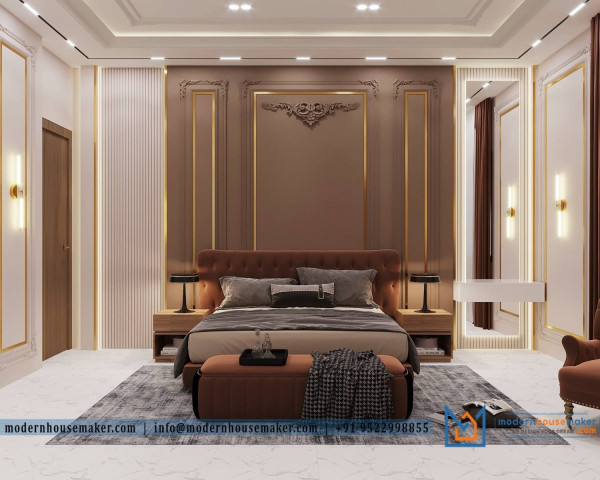
The walls of a home carry more design weight than most people acknowledge. A plain painted surface fills space but rarely contributes anything meaningful to the feel of a room. When walls are treated as active design elements rather than just boundaries, spaces begin to feel layered, considered, and genuinely architectural. That shift in perspective changes everything about how a home reads.
Walls That Work: Turning Surfaces Into Defining Design Features
Surface Choices Define the Experience: Selecting the right interior wall design is not only about visual appeal. It directly shapes how warm, spacious, or grounded a room feels. Geometric panels add rhythm, stone textures bring natural weight, and wooden wall finishes deliver warmth. These choices are not finishing touches but foundational decisions that determine how a space is read and experienced from the moment someone walks in.
Coordination Beats Decoration Every Time: A well-considered modern house design treats every wall surface as part of a coordinated whole, not a series of separate decisions. Walls respond to floor finishes, ceiling heights, and the quality of available light. When these elements work together from the planning stage, even a compact room can feel spacious, polished, and genuinely purposeful.
Material Decisions That Go Beyond the Surface: The choice of wall cladding material depends on the room’s function and the mood being designed for. Stone or exposed brick panels in living areas create groundedness and a sense of luxury. Soft wooden finishes in bedrooms encourage calm and warmth. Each material speaks a different design language and needs to match the room’s purpose clearly.
Depth, Focus, and the Design Moves That Create Impact
Simple Techniques That Change How a Room Reads: Not every wall needs the same level of attention. Choosing one surface to carry stronger design work creates focus without visual clutter. Here are approaches that achieve this effectively:
- One textured accent wall draws the eye and anchors the room
- Recessed panels with integrated lighting add depth without extra furniture
- Contrasting wall colours define zones in open-plan layouts
- Vertical slat panels create the impression of higher ceilings
Lighting Changes Everything About a Wall Treatment: The relationship between wall texture and artificial lighting is one that many homeowners overlook until it is too late to change. A rough stone surface under warm, directional lighting casts shadows that add real dimension. A smooth panel reflects light in ways that open up the room. These two elements genuinely need to be planned together.
Thinking About Where the Eye Travels: Good wall design builds spatial hierarchy into a room without relying on extra furniture or decoration. When walls are designed with clear intention, they guide attention toward focal points, such as a fireplace surround, a headboard wall, or a framed window. This kind of visual guidance makes rooms feel deliberate rather than randomly assembled.
The Quiet Details That Give a Room Its Character
Ceiling Connections Add a Layer of Completeness: Wall designs that stop abruptly at the ceiling line can feel unfinished. Carrying a design element partially upward, whether through a colour transition or a panel extension, ties the wall to the ceiling and creates a sense of height. This is particularly worth considering when your ceilings sit at the standard 9-foot height where visual lift matters most.
Layout Shapes Which Walls Can Carry the Design: The placement of doors, windows, and large furniture determines which walls can carry a stronger design treatment and which ones need to stay relatively neutral. Treating every wall equally tends to create visual noise. Prioritising one or two surfaces allows the overall design to breathe and gives your room a clear sense of balance and intent.
Where Thoughtful Walls Lead
Great wall design is not about complexity. It is about making choices that work together and respect the space they inhabit. Every surface is an opportunity to add character and create depth. Reaching out to a professional team that handles both design and construction together is the most reliable path to a home that feels genuinely complete.
Featured Image Source: https://www.modernhousemaker.com/products/8841758130276b4.jpeg
