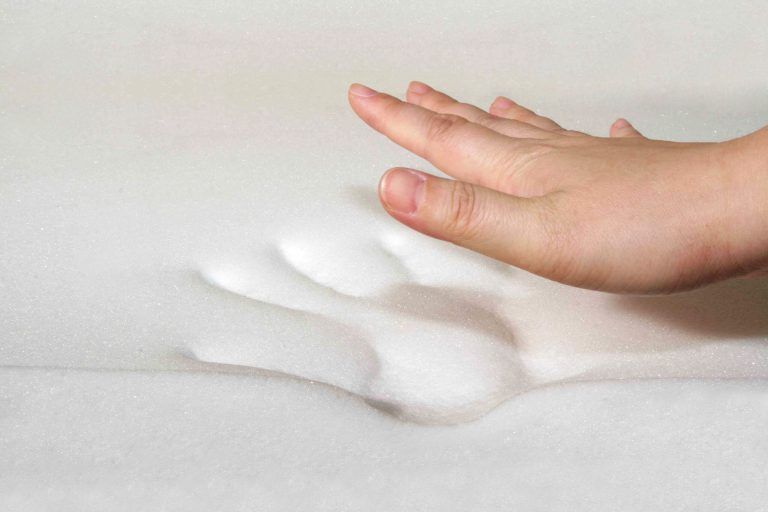
Commercial buyers face a crucial decision when sourcing foam materials. The wrong density choice leads to premature product failure, unhappy customers, and damaged reputation. Getting it right means building products that last and keeping clients satisfied for years.
Understanding Density Impact on Performance
Material Composition Matters: When sourcing memory foam sheets for production runs, density determines how the material responds under stress. Lower density sheets compress easily but may not recover their original shape after repeated use. Higher density options resist compression and maintain structural integrity longer. This difference becomes critical in products that see daily use like mattresses or seating applications.
Lifespan Considerations: Products made with appropriate density foam can last five to ten years longer than those using unsuitable materials. Think about a hotel mattress that needs replacing after just two years versus one that performs well for eight. The initial material cost difference seems minor compared to replacement expenses and lost bookings during changeovers.
Density Ranges for Different Applications
Low Density Solutions (Below 50 kg/m³): These sheets work well for packaging inserts and protective cushioning where permanent deformation isn’t a concern. The material absorbs impact effectively and costs less per unit. However, don’t use low density foam for any application requiring repeated compression cycles. The material breaks down quickly under constant stress.
Medium Density Performance (50-80 kg/m³): This range suits most commercial cushioning needs including:
- Office chair padding and back supports
- Residential furniture cushions with moderate use
- Decorative pillows and accent pieces
- Light medical positioning aids
Medium density strikes a balance between cost and durability. Products in this category satisfy budget-conscious buyers who still expect reasonable longevity.
High Density Applications (Above 80 kg/m³): Premium mattresses, intensive-use seating, and pressure relief products demand high density materials. The foam maintains its supportive properties through thousands of compression cycles. Medical facilities rely on high density foam for patient positioning because the material doesn’t create pressure points even after extended use. Yes, the upfront cost runs higher, but warranty claims drop significantly.
Matching Density to Market Expectations
Customer Usage Patterns: A residential sofa cushion might see two hours of use daily. A reception area bench in a busy office experiences ten to twelve hours of constant pressure. The second application needs significantly higher density to avoid visible sagging within months. Consider how your end users interact with the product before specifying materials.
Return Rate Analysis: Manufacturers using appropriate density grades report warranty claims below three per cent. Those cutting costs with unsuitable densities see return rates climbing above fifteen per cent. The math becomes simple when you factor in processing returns, shipping replacement products, and managing unhappy customers. Proper material selection pays for itself quickly.
Selecting appropriate foam density protects your reputation and bottom line. Low density works for single-use applications, medium density handles everyday residential needs, and high density delivers in demanding commercial environments. Match your material specifications to actual usage patterns rather than simply choosing the cheapest option. Contact experienced foam suppliers who can recommend specific density grades for your production requirements and help reduce costly returns.
Featured Image Source: https://flexipol.in/wp-content/uploads/2023/03/shutterstock_336304280-scaled-1-768×512.jpg
