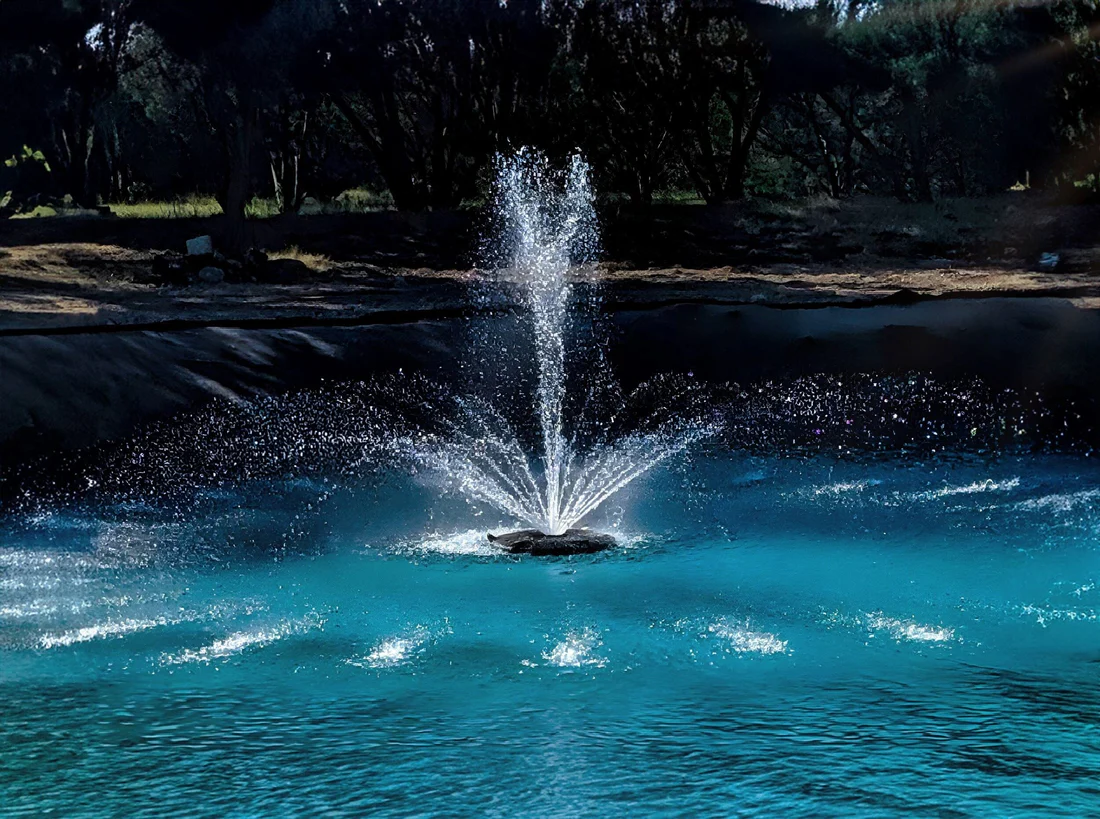
Outdoor spaces face a challenge that property managers know too well. Beautiful landscapes need water features that work with nature instead of against it. The shift toward sustainable design means rethinking how decorative elements function in the larger ecosystem. Water features once viewed as purely ornamental now serve dual purposes that benefit both visual appeal and environmental health.
Understanding Water Feature Challenges
- Stagnant Conditions Create Problems: Many property owners discover algae blooms turning their ponds green within weeks of installation. Scott Fountains address this issue by introducing movement that disrupts the conditions algae need to thrive. Oxygen levels drop in still water, creating dead zones where beneficial bacteria cannot survive. Fish populations suffer when temperatures rise and dissolved oxygen falls below critical thresholds.
- Natural Circulation Provides Solutions: The technology behind floating pond fountains mimics natural water movement found in streams and rivers. These systems pull water from below the surface and spray it into the air, creating oxygen transfer through simple mechanical action. Power consumption remains minimal compared to older fountain designs that relied on inefficient pump systems and excessive water displacement.
Energy Efficiency in Water Management
- Low-Power Operation Reduces Costs: Modern aeration systems use motors designed for continuous operation at a fraction of traditional energy requirements. A typical residential fountain draws less electricity than a standard refrigerator. Property managers see this reflected in monthly utility bills, particularly during summer months when fountains run continuously to maintain water quality.
- Smart Design Maximizes Impact: Engineers focus on spray patterns that maximize surface area exposure without wasting energy on unnecessary height. The goal centers on oxygen transfer efficiency rather than spectacle. Some designs incorporate solar panel options for remote locations where grid connection proves impractical or expensive.
Supporting Healthy Aquatic Ecosystems
- Oxygen Levels Determine Water Quality: Fish require dissolved oxygen concentrations above 5 milligrams per liter to thrive. Fountains maintain these levels by breaking the thermocline that forms in deeper ponds during warm weather. This mixing prevents stratification where warm, oxygen-poor water sits on top of cooler, denser water below.
- Beneficial Bacteria Need Movement: Aerobic bacteria that break down organic waste require oxygen to function properly. These microorganisms process fish waste, decaying plant matter, and other organic debris that would otherwise accumulate on the bottom. Proper circulation ensures bacteria colonies remain active throughout the water column instead of just near the surface.
Practical Benefits for Property Owners
Maintenance Requirements Drop Significantly: Properties with active aeration systems report fewer algae treatment applications and reduced need for chemical interventions. The water stays clearer naturally because circulation prevents nutrient buildup in specific zones. Mosquito populations decrease since moving water disrupts their breeding cycle.
Key advantages include:
- Reduced chemical treatment expenses and labor costs
- Extended lifespan for pond liners and surrounding infrastructure
- Improved habitat conditions for fish and beneficial wildlife
- Enhanced property aesthetics through clearer water and reduced odors
Year-Round Functionality Matters: Quality systems operate in multiple seasons with proper winterization procedures. Some property managers run fountains year-round in moderate climates to prevent ice formation and maintain oxygen levels for overwintering fish populations.
Sustainable landscaping requires water features that work as functional ecosystem components rather than just decorative additions. The combination of natural water movement, efficient energy use, and reduced chemical dependence creates outdoor spaces that look better and function better over time. Property owners seeking both environmental responsibility and visual appeal find these systems deliver on both promises. Consider how active aeration technology could transform your water feature from a maintenance burden into an asset that supports the broader landscape health your property deserves.
Featured Image Source: https://www.fountainmountain.com/cdn/shop/files/CrownTrumpetforweb_a2edfd14-bd42-482f-823c-414190a7d5b3_1100x.jpg?v=1756137738
