Most people don’t think about shoe quality until something actually breaks down. You’re crossing a car park, and the sole starts peeling away. Or the stitching splits after three months of normal use. Factory-made footwear looks fine on shelves, seems like reasonable value, but materials break down faster than makes sense.
Traditional Methods Worth Reconsidering: Canadian moccasins represent a different philosophy about making footwear, one that might seem inefficient until you wear a pair for a few weeks. These aren’t produced on assembly lines. Skilled artisans work with materials they’ve handled for years, understanding how leather responds to regular wear.
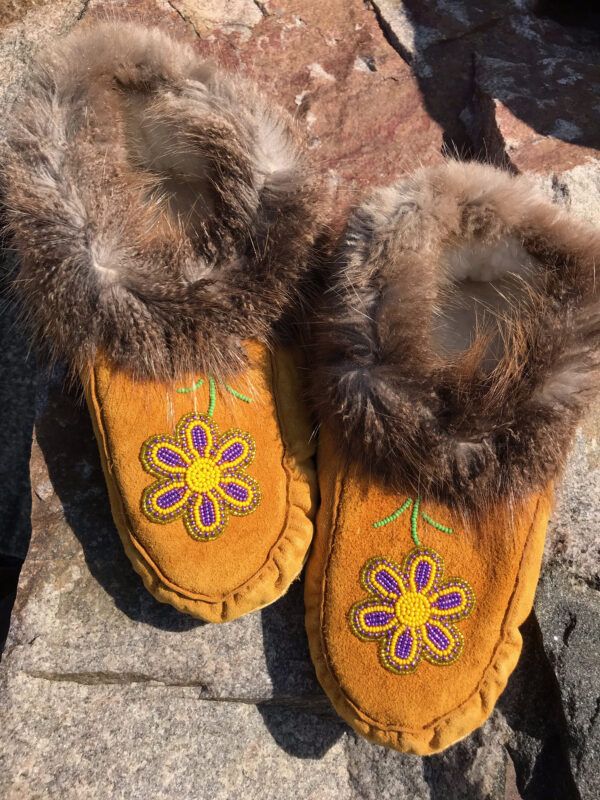
Material Selection You Can Feel: Canadian moose hide moccasins reveal why material choice matters so much. The hide feels softer than cowhide whilst maintaining surprising strength. Leather is more elastic than any synthetic material, irrespective of the claims that the packaging may make. Besides, it allows air circulation, thus, moisture is allowed to escape through the skin naturally rather than being trapped like it happens with those plastic-lined factory shoes during a hot day.
Why Natural Materials Outperform Synthetics
Breathability Makes Real Difference: Factory shoes trap warmth inside because synthetic materials don’t allow proper air circulation. You notice it during warmer weather or after long days at work. Your feet feel overheated, slightly damp, uncomfortable in ways that seem minor until you’ve experienced breathable footwear.
Investment That Makes Sense: Cheaper shoes use inferior materials because manufacturers expect regular replacements. Quality moccasins cost more initially, there’s no pretending otherwise. Yet they last years with reasonable care, not months. Calculate cost per wearing rather than initial price, and economics shift dramatically towards well-made footwear.
The Craftsmanship Factor
Stitching That Holds: Machine stitching creates uniform seams that appeal to quick shoppers. Those seams often use synthetic thread that breaks down surprisingly fast. Traditional hand-sewn construction methods employ techniques refined across generations. The stitches move with leather instead of fighting against its flexibility.
Movement Your Feet Need: Feet aren’t meant to stay rigid inside stiff containers. They flex constantly, adjust with every step, and respond to uneven surfaces. Handmade moccasins accommodate natural movement through their construction. Practical benefits show up during daily wear:
- The soft soles on these shoes allow you to get a better feel of different ground textures, which is one of the adaptative mechanisms of the body that not only improves but also makes walking feel natural, not awkward or clunky.
- Moreover, the leather uppers are the ones that stretch just a bit when your feet swell during hot summer days or after standing all day at work, thus leaving no place for those tight pressure points that synthetic materials are masters of creating.
- Finally, the traditional lacing system is able to adapt to your everyday needs, whether you have on thick winter socks or you are almost barefoot in the summer.
- Minimal arch support structures allow feet to strengthen naturally instead of becoming dependent on artificial props that weaken muscles over time
Long-Term Comfort Versus Short-Term Convenience
Breaking In Creates Better Fit: Cheap shoes feel comfortable initially because first impressions drive purchases. Within weeks, that comfort vanishes as cushioning compresses permanently. Leather footwear requires breaking in, which feels slightly stiff at first. After that period though, comfort maintains itself for years. Material softens gradually without losing support your feet need.
Temperature Response That Adapts: Synthetic materials either trap heat or provide basically no insulation, leaving little room between those extremes. Natural hide behaves differently. Your feet stay warmer when you’re outside in cold weather and actually feel cooler during hot days, because the material works with temperature changes instead of just sitting there doing nothing about them.
Choosing footwear on the basis of their making rather than the price tag means looking into the future. It’s a matter of feeling your feet comfort six months, or even two years, from now, not just in the present afternoon. The use of natural materials together with traditional construction results in longer-lasting footwear that is doubtless of high quality and can be used in the rain or through the summer heat. It does not cost much if you are not buying cheap pairs every season. Treat yourself to a pair of proper handcrafted shoes and experience how genuine craftsmanship transforms your daily comfort in ways that mass-produced shoes can’t reach.
Featured Image Source: https://wolfden.ca/wp-content/uploads/2025/07/size-9-purple-and-yellow-600×800.jpg
