Selecting the most effective method is primarily dependent upon geography and lifestyle. Ontario covers almost 1.1 million square kilometers and that leads to significant challenges. A semi-detached house in downtown Toronto requires a completely different energy solution than that of a cottage next to a lake by Kenora or a farm outside Thunder Bay. The amenities accessible, climatic conditions, and installation standards all vary according to the location of your property.
Urban and Suburban Energy Solutions
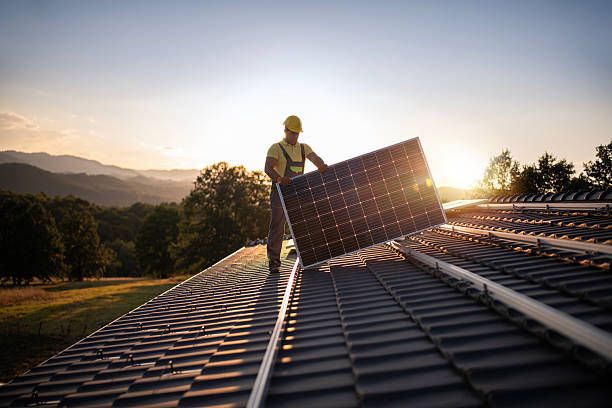
Grid Connection Advantages: Solar panel installation Ontario homeowners in cities like Ottawa, Hamilton, and Mississauga usually go for grid-tied systems that feed extra electricity back into the municipal supply. These don’t need massive battery storage because the grid becomes your backup when skies cloud over or the sun drops. Installation crews wrap up most residential projects in two or three days, though permits and utility coordination drag things out first.
Off-Grid System Basics: Properties sitting beyond reliable utility lines turn to off grid systems Ontario setups that bundle solar panels, wind turbines, and hefty battery banks together. A standard cottage system might pack 3-5 kilowatts of solar capacity alongside lithium or lead-acid storage rated for three to five days of independence. These cost substantially more upfront than grid-tied options because you’re building complete self-sufficiency. There’s no utility company to lean on when generation drops.
Energy Independence for Remote Properties
Battery Storage Requirements: Remote properties demand careful energy budgeting since you lack that grid safety net. Owners quickly learn which loads matter most like refrigeration, water pumps, and heating controls versus convenience items that can wait. Modern inverters let you programme automatic load shedding when battery levels dip below safe thresholds, though watching your consumption becomes second nature. Temperature swings hit battery performance hard, so insulated equipment enclosures help components survive harsh Ontario winters and maintain efficiency.
Load Management Strategies: The net metering programmes through local utilities give homeowners credits for surplus energy they push back to the grid, offsetting what you extract during low generation periods. Backup generators step in during stretches of cloudy weather or unexpected high consumption, and they’re practically essential for year-round living. Properties charging electric vehicles can time that power draw to coincide with peak solar production. You’re constantly balancing what you generate against what you actually need.
Seasonal Performance Across Ontario
Winter Challenges: Snow piling up on panels cuts output noticeably, though steeper mounting angles let panels shed that snow on their own. Northern regions face shorter daylight hours between November and February, pushing you toward larger arrays or adding generation sources. Cold temperatures actually boost panel efficiency a bit, which offsets some losses from reduced sun exposure. Ice forming on equipment connections needs weatherproof installations built for Canadian climate ratings.
Summer Production Benefits: Those long June and July days let systems generate abundant energy for storage or grid export. Key considerations include:
- Air conditioning loads spike in afternoons right when solar production peaks naturally
- Dust and pollen coating panel surfaces means occasional cleaning to keep output high
- Extended daylight lets you run washing machines, dishwashers, and other heavy appliances guilt-free
- Electric vehicle charging becomes genuinely economical when generation exceeds consumption
Matching Technology to Your Location
Site Assessment Considerations: Professional evaluation examines sun exposure patterns, available roof or ground space, and weather data collected over multiple years. Forested properties sometimes need selective tree removal to open southern exposure, though you’re balancing that against environmental and aesthetic concerns. Wind resource mapping shows whether adding a turbine makes financial sense for your specific location. City properties wrestle with shading from neighbouring buildings or mature trees blocking optimal panel placement.
Installation Requirements: Municipal building departments want electrical permits and inspections completed before any connection happens, tacking weeks onto project timelines. When you are taking equipment on site, remote installations are a real headache. The melting snow in spring makes the roads to the site muddy and messy; those roads will literally eat the tires of the trucks. Also, the winter freeze can trap delivery vehicles for a long time. Contemporary charge controllers are the ones who control the power between your solar panels and batteries; thus, preventing the overcharging that would otherwise damage the component and their lifespan.
Homeowners in urban areas are the ones enjoying the most benefits of the easy connections to the grid and the speeding up of permits, whereas the rural homeowners can really enjoy the independence from the main electric supply if they have well-planned off-grid systems. It is recommended to analyze the property characteristics, consumption patterns, and infrastructure access before the design of any system is finalized. Having onsite evaluations done very thoroughly by installers who know the building codes and utility interconnection requirements in your area is always a good idea.
Featured Image Source: https://media.gettyimages.com/id/2209090636/photo/worker-installing-solar-panels-at-sunset.jpg?s=612×612&w=0&k=20&c=C2XZoe748GAwn2ftWGpOygC4NVVQo9khi95AKfXYpYk=
