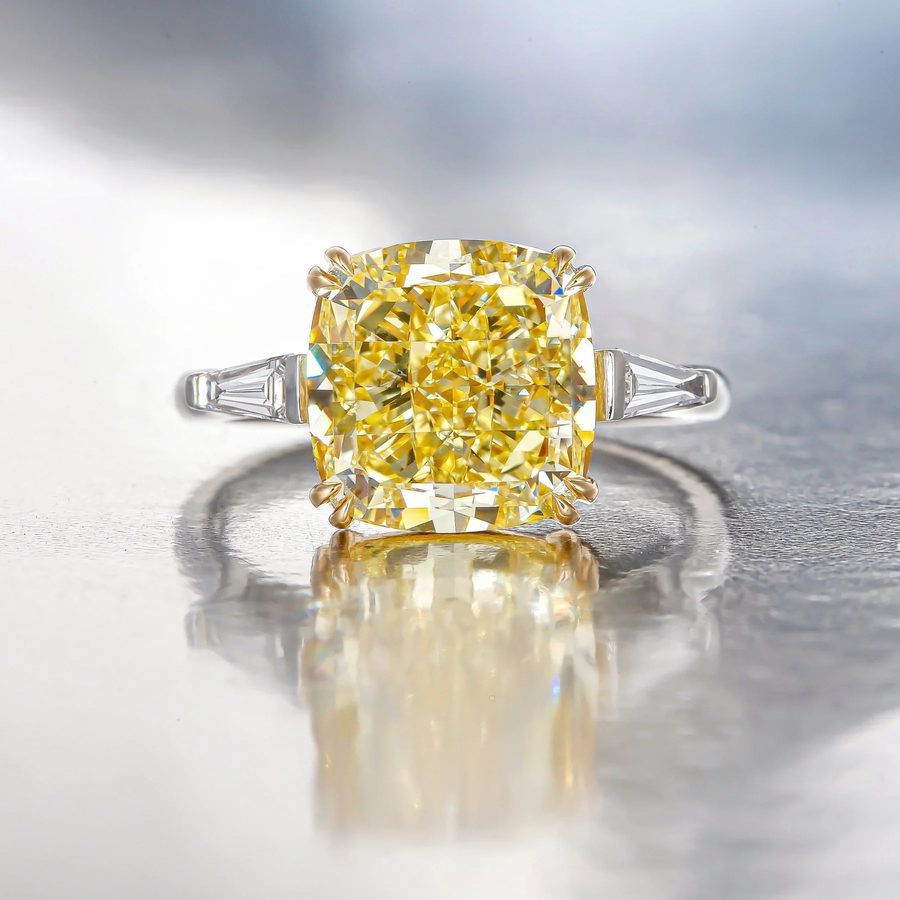
There is a quiet fear behind almost every ring purchase. What if you spend serious money on something she does not love? What if you overpay for a stone you cannot even judge with your own eyes? A custom ring solves the first problem, because the design starts with her, not with a display case. It can solve the second too, but only if you walk in prepared.
Preparation is really the whole game here. Couples who research custom engagement rings in Dallas before their first appointment tend to make faster decisions and fewer compromises. Working with an established studio like Shapiro Diamonds helps, since an experienced designer will guide you through each choice, but the guidance lands better when you already know your own priorities.
So before you book anything, take some time with the five areas below. Style, budget, stone, metal, and timeline. Get rough answers to each and the process stops feeling intimidating. It starts feeling like something you are actually in control of.
Define Your Style and Design Inspiration
Start with the broad categories. Solitaire, halo, three stone, vintage, modern. You do not need to commit to one yet. You just need a sense of what draws you in and, maybe more useful, what you can rule out immediately.
Then gather evidence. Screenshots, saved posts, photos of rings her friends or family wear. Pay attention to patterns. If every ring you save has a thin band and an elongated stone, that tells you something a single photo never could. Small personal details matter too, like a hidden birthstone or an engraving.
One thing people forget: the ring has to match a life, not just a photo. Someone who works with their hands will live differently with a high-set stone than someone at a desk all day. Think about:
- How she uses her hands during a normal week
- Whether she prefers subtle jewelry or statement pieces
- Rings she already owns and actually wears
- Any metals or styles she has openly disliked
Set a Realistic Budget Before Designing
Nobody enjoys this part, but skipping it causes the most regret later. Set a number before you fall in love with a design, not after.
Understand where the money actually goes. The center stone usually takes the largest share, often well over half. The metal, the complexity of the setting, and hand-finished details make up the rest. A pave halo with a hidden gallery costs more to build than a clean solitaire, and that difference is labor, not markup.
Now prioritize. If a larger stone matters most, keep the setting simple. If the design itself is the point, a slightly smaller or lower-color stone frees up room. You cannot have the best of everything at once, and pretending otherwise is how budgets quietly grow by thirty percent.
Leave a cushion, perhaps five to ten percent. Custom projects evolve, and it is better to have room for a change than to feel trapped by your own number. A few places the cushion tends to get used:
- Upgrading the center stone at the last moment
- Adding accent stones or a hidden detail
- Switching to a heavier or more durable metal
- Future additions like a matching wedding band
Choose the Right Diamond or Gemstone
This is where most buyers feel out of their depth, and honestly, that feeling is justified. Two diamonds with nearly identical certificates can look noticeably different in person. Paper grades are a starting point, not a verdict.
Shape comes first because it changes everything downstream. Round diamonds show the most brilliance. Ovals and elongated cushions look larger for their weight. Emerald cuts trade sparkle for clean, mirror-like flashes. There is no correct answer, only what she will love looking at every day.
Then decide on the stone type. Natural diamonds carry rarity and long-term sentimental weight. Lab-grown diamonds are chemically identical and cost significantly less, which lets some couples move up in size or cut quality. Durable gemstones like sapphire work too, though softer stones need more care. Whatever you choose, insist on seeing stones side by side before deciding. A certificate cannot show you sparkle. Your eyes can.
Select the Metal and Setting for Your Lifestyle
Metal choice sounds cosmetic. It is partly practical. Platinum is dense, naturally white, and holds prongs securely for a lifetime, at a higher price. White gold gives a similar look for less but needs occasional rhodium replating. Yellow gold has come back strongly and hides small scratches well. Rose gold is warm and distinctive, though harder to match later.
The setting deserves equal thought because it is the stone’s security system. Six prongs protect a round stone better than four. Bezel settings wrap the stone in metal and suit active hands. Cathedral settings raise the stone beautifully but catch on knits and gloves. Ask a few honest questions:
- Will this setting survive her daily routine?
- How often will the ring need professional checkups?
- Does the band feel comfortable, not just look right?
- Can a wedding band sit flush against it later?
Understand the Custom Design Timeline and Process
Here is the part that surprises people most. A custom ring is not a purchase, it is a small project. Most follow the same arc: an initial consultation, stone selection, sketches or CAD renderings, a wax or resin model you can see and hold, then casting, setting, and final polish.
Plan for roughly four to eight weeks from first meeting to finished ring, sometimes longer during peak proposal seasons. Rushing compresses the revision stages, and the revision stages are exactly where a good ring becomes a great one. If you have a proposal date in mind, work backward from it and add buffer.
Ask about the practical stuff before you commit. Resizing policy, warranty coverage, prong inspections, and what future maintenance looks like. A jeweler who plans to see your ring again in ten years answers these questions differently than one who does not.
Conclusion
None of this is complicated on its own. Know your style direction, set a real budget, understand your stone options, pick a metal and setting that fit her life, and give the process the time it needs. Do that groundwork and the custom route becomes what it should be, the most personal and most rewarding way to buy a ring. Then find a jeweler you trust and let them turn what you have gathered into something she will wear for the rest of her life.
Frequently Asked Questions
How long does it take to design a custom engagement ring?
Most custom rings take four to eight weeks from the first consultation to final pickup. Complex designs, rare stones, or busy holiday seasons can extend that, so start early if you have a set proposal date.
Is a custom engagement ring more expensive than a ready-made ring?
Not necessarily. You control the budget from the start and pay only for elements you actually want, so custom pricing is often comparable to retail and sometimes better.
Can I use my own diamond or gemstone in a custom design?
Yes, in most cases. Inherited stones and heirloom diamonds are commonly reset into new custom designs. The jeweler will inspect the stone first to confirm it can be safely removed and remounted.
How many design revisions can I typically make?
Most studios include several rounds of revisions during the sketch and CAD stages, since adjustments are easy before casting. Changes after casting are limited, which is exactly why the review stages exist.
What should I bring to my first custom engagement ring consultation?
Bring inspiration photos, a rough budget range, her ring size if you know it, and any family stone you plan to reuse. You do not need a finished vision. That is what the consultation is for.
