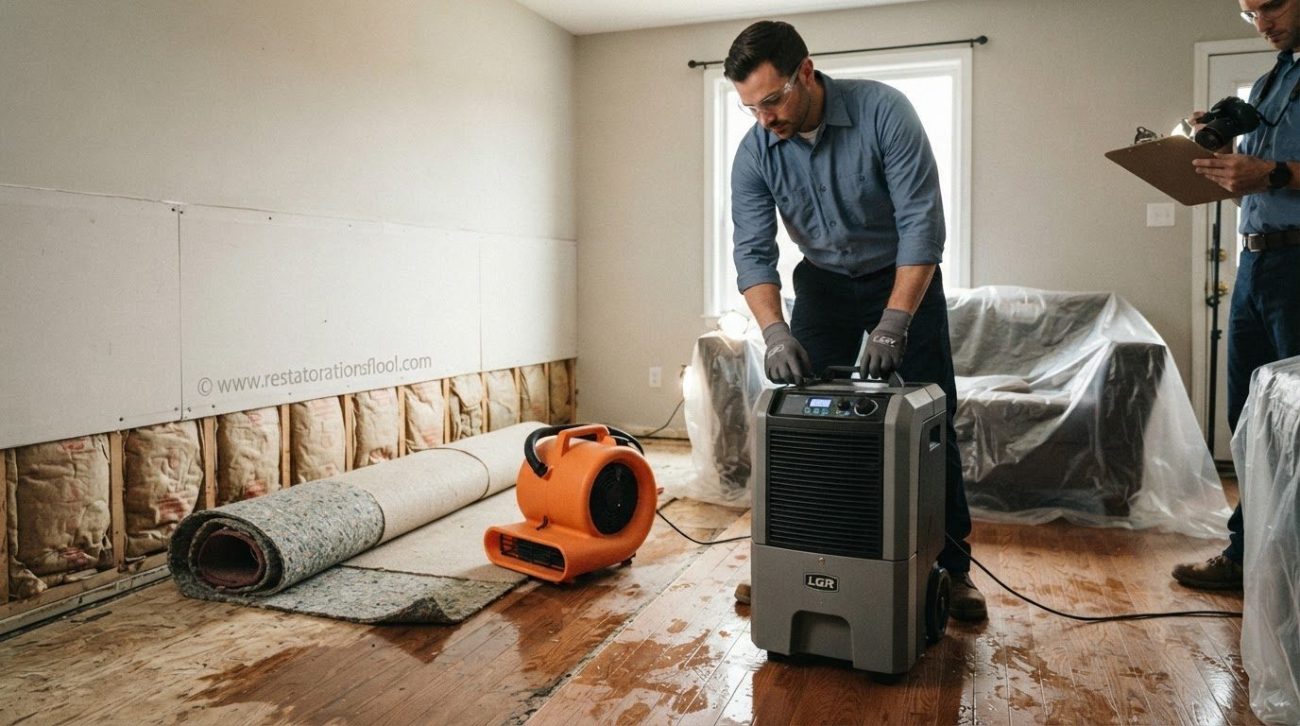
A flooded home can look deceptively manageable: a damp floor, stained drywall, and a few wet boxes. Yet water can travel behind walls, under flooring, and into electrical assemblies within hours. The safest recovery plan begins with hazard control, not cosmetic cleanup.
Flood Restoration involves much more than pumping out visible water. It includes inspection, extraction, contamination control, structural drying, contents handling, cleaning, and—when necessary—reconstruction. The objective is to return the property to a dry, sanitary, and safely occupiable condition.
For local homeowners, Restoration Logistics Boulder can be part of the evaluation process when a loss requires coordinated mitigation and repairs. Keep the focus on documentation, moisture verification, and a clearly defined scope rather than choosing a contractor solely by response time or advertising.
What Floodwater Can Do to a Property
Standing water saturates carpet, pad, hardwood, laminate, subflooring, drywall, insulation, cabinets, and personal belongings. Porous materials can wick water upward and sideways, while particleboard cabinetry and engineered flooring may swell or delaminate. Wood framing can absorb moisture and eventually deteriorate if it remains wet.
Electrical systems require particular caution. Water may reach receptacles, wiring, appliances, furnaces, and service equipment. Do not re-energize affected circuits until a qualified electrician or utility professional has assessed them.
Water is commonly classified by contamination level:
- Clean water: Water from a broken supply line or similar source, although it can become contaminated if it remains stagnant.
- Contaminated water: Water carrying chemicals, microbes, or other hazards, such as runoff or water from an appliance drain.
- Sewage-affected water: Water containing sewage or significant biological contamination. Porous materials exposed to it often require removal rather than ordinary cleaning.
Clear-looking water is not necessarily safe. Floodwater can contain bacteria, solvents, pesticides, metals, or pathogens. Secondary risks include mold growth, musty odors, weakened framing, corrosion, and poor indoor air quality. Mold can begin developing on damp organic materials within roughly 24 to 48 hours, depending on temperature and humidity.
Immediate Actions Before Restoration Begins
Leave areas with rising water, unstable ceilings, visible structural movement, gas odors, or sparking equipment. Never walk through water near electrical devices. If you smell gas, leave immediately and contact the utility or emergency services from a safe location.
If the electrical panel is dry, accessible, and outside the flooded area, an adult may shut off the main breaker. Do not touch the panel while standing in water or if the equipment is wet. A professional should handle flooded panels, gas appliances, damaged wiring, and complicated shutoffs. Stop the water source only when it can be done without entering a hazard.
Before moving items, photograph and record:
- Each affected room from multiple angles.
- Water lines, damaged materials, appliances, and contents.
- Serial numbers, receipts, and discarded items when possible.
Avoid handling sewage-soaked materials without appropriate gloves, eye protection, protective clothing, and respiratory controls. Do not disturb suspected asbestos-containing insulation, resilient flooring, pipe insulation, or textured materials in older homes; testing and regulated removal may be required. OSHA requirements and applicable Colorado rules may govern hazardous cleanup.
Temporary measures can include placing foil or plastic under furniture legs, moving dry belongings to a safe area, and covering roof damage from the exterior only if conditions are safe. Do not seal wet cavities or delay assessment while attempting extensive demolition.
The Flood Restoration Process From Assessment to Drying
A professional assessment begins with identifying the source, water category, affected rooms, likely migration paths, and safety hazards. Technicians may use moisture meters, thermal imaging, hygrometers, and documentation software to create a moisture map. The restoration plan should state what will be removed, what can be dried in place, how contamination will be controlled, and how completion will be verified.
Extraction typically uses submersible pumps, truck-mounted or portable extractors, wet vacuums, and weighted extraction tools. Removing bulk water quickly reduces material exposure and makes controlled drying possible. Unsalvageable drywall, insulation, pad, swollen composite materials, and contaminated porous items may be removed using containment and dust-control procedures.
Structural drying combines:
- Air movers to increase evaporation at wet surfaces.
- Dehumidifiers to remove moisture from the air.
- Air filtration devices when airborne dust, spores, or contaminants require control.
- Moisture monitoring to track drying in subfloors, framing, wall cavities, and other concealed areas.
Surface appearance is not proof of dryness. A dry carpet may conceal a wet pad or subfloor, and painted drywall may feel normal while its backside remains saturated. Technicians should compare readings with unaffected materials and document progress. In Boulder’s variable climate, outdoor temperature and humidity can change drying performance substantially; equipment settings must be adjusted rather than assumed.
Cleaning, sanitizing, and deodorization depend on the water category and material. Restoration personnel should use appropriate disinfectants according to label directions and avoid simply masking odors with fragrance. Air scrubbers, controlled demolition, and source removal are often more effective than ozone or other aggressive treatments, particularly in occupied homes.
Contents and Belongings Restoration
Contents work generally follows a pack-out and inventory process:
- Items are photographed, labeled, categorized, and moved to a clean work area or storage facility.
- Furniture, textiles, documents, electronics, and household goods are assessed for salvageability.
- Cleanable items are washed, HEPA-vacuumed, dried, deodorized, or treated using material-specific methods.
- Damaged contents are documented before disposal whenever practical.
Documents may require freeze-drying or specialized vacuum drying. Electronics should be disconnected and evaluated by qualified technicians, not powered on to test them. Upholstered furniture, mattresses, food, cosmetics, and porous items exposed to sewage may be unsafe or uneconomical to salvage. Pack-out, specialty cleaning, and storage commonly add hundreds to several thousand dollars depending on volume.
Repairs, Mold Prevention, and Returning the Space to Use
Mitigation and reconstruction are different phases. Mitigation removes water and stabilizes the property; reconstruction replaces drywall, insulation, flooring, trim, cabinets, and finishes. A contractor should explain where emergency services end and repair work begins.
Hidden moisture must be addressed behind baseboards, beneath flooring, inside wall cavities, around HVAC systems, and under cabinets. Selective openings may be necessary to inspect cavities and allow drying. Rebuilding over wet materials traps moisture and can create concealed mold or rot.
Mold prevention depends on prompt extraction, controlled humidity, removal of contaminated porous materials, and verification that assemblies are dry. Visible mold, extensive growth, HVAC contamination, or occupants with health vulnerabilities may justify assessment by an environmental professional. Remediation should emphasize containment, negative air where appropriate, HEPA filtration, removal of affected materials, and post-cleaning verification—not merely spraying a surface.
Before occupancy, the final review should consider:
- Moisture readings compared with unaffected areas.
- Absence of persistent sewage or microbial odors.
- Clean, intact surfaces and properly reinstalled building components.
- Safe operation of electrical, plumbing, heating, and ventilation systems.
- Completion of permits or inspections required for reconstruction.
Timing, Insurance, and Restoration Decisions
A small clean-water loss may be extracted in one day and dried in approximately three to five days. Contaminated losses, extensive contents, structural damage, or reconstruction can take several weeks or longer. Schedule depends on water category, affected area, materials, weather, access, permitting, labor, and hidden damage.
Costs vary widely. Limited extraction and drying may range from roughly $1,000 to $4,000. Larger losses involving demolition, containment, contents handling, and reconstruction can reach $10,000 to $50,000 or more. These are broad U.S. planning ranges, not quotes; local labor, material prices, deductible, and damage severity control the final amount.
Notify the insurer promptly and preserve photographs, inventories, receipts, hotel bills, emergency invoices, and written communications. Coverage depends on the policy, source of water, exclusions, deductible, and whether separate flood insurance applies. A standard homeowners policy often treats sudden interior plumbing failures differently from surface-water flooding, groundwater, sewer backup, or maintenance-related damage.
DIY cleanup may be reasonable for a small, recent clean-water spill affecting limited, nonporous materials—provided electricity is safe and the area can be dried completely. Professional restoration is the safer choice when water may be contaminated, has entered walls or flooring, exceeds roughly 10 square feet of affected mold, involves HVAC systems, or has caused structural or electrical damage.
Ask any contractor:
- How quickly can you inspect, extract, and install drying equipment?
- Which moisture meters and readings will document completion?
- How will contaminated materials and sewage be contained and disposed of?
- What is mitigation, and what is reconstruction?
- Will you provide itemized estimates, photographs, drying logs, and change orders?
- Do personnel follow OSHA, EPA, IICRC, or applicable state guidance?
- Who coordinates electricians, plumbers, environmental specialists, permits, and repairs?
The most reliable flood recovery is measurable: hazards are controlled, water is removed, moisture is verified, contamination is managed, and repairs are completed only after the structure is ready.
