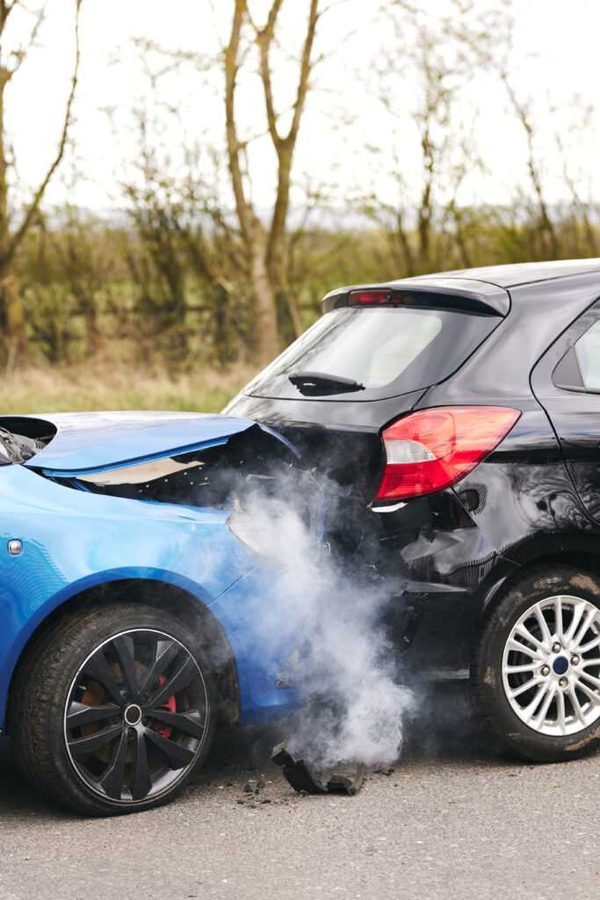
Car body damage rarely looks like what it actually is. A shallow scratch across a door might be nothing. A bumper that popped back into shape after a parking lot tap can hide a cracked absorber behind it. Some damage stays on the surface. Some of it reaches into the structure that protects you in a crash.
That is why the decision after any accident comes down to one hard choice. Repair the damaged part or replace it completely. An experienced auto body repair shop such as Relux Collision weighs severity, safety, and cost before recommending either path. This guide walks through those same factors, so you know what a fair recommendation looks like before you sign anything.
Assess the Type and Severity of the Damage
Start with what you can see. Light scratches that have not broken through the clear coat, small door dings, and shallow dents on flat panels usually qualify for repair. The metal underneath is still sound. The paint system is mostly intact. A skilled technician can bring these back without much drama, and often within a day or two.
Deeper damage tells a different story. Cracks running through a panel, rust that has eaten past the surface, kinked or folded metal, and sharp creases along body lines all push toward replacement. Once metal stretches past a certain point, it never quite returns to its original strength. You can make it look right. Making it act right in the next crash is harder.
The line that matters most is structural. Panels near the frame rails, the pillars, or the crumple areas do real safety work. Damage there deserves more caution than a scraped fender, even when the scraped fender looks worse from the curb.
When Repairing Car Body Parts Makes Sense
For shallow dents where the paint survived, paintless dent repair is often the smartest route. A technician massages the metal back from behind the panel, the factory finish stays untouched, and the cost lands well below a repaint. Hail damage and door dings respond especially well to this method. No filler, no color matching, no risk of a mismatched panel.
Repair also makes sense when the part still does its job. If a fender took a scrape but holds its shape and mounting points, restoring it costs less than sourcing a new panel plus paint and blend work. On an older car with modest resale value, that math matters. Spending replacement money on a vehicle worth a few thousand dollars rarely pays off.
When Replacing Damaged Body Parts Is the Better Option
Some parts simply cannot come back. A bumper cover with torn mounting tabs, a panel with corrosion spreading from the inside, or metal deformed across multiple planes will fight every attempt at repair. You might get it looking acceptable. Six months later the filler cracks, or the rust blooms back through fresh paint, and the work starts over at your expense.
Replacement wins on longevity here. A new panel arrives at factory strength, with clean metal for the paint to bond to and mounting points that line up the way the engineer intended. Perhaps it costs more upfront. Over the years you plan to keep the car, a part that fails once is cheaper than a repair that fails twice.
Consider Safety, Cost, and Vehicle Value
Modern cars complicate the choice in a way older ones never did. Bumpers and windshields now carry radar units, cameras, and parking sensors. Any repair or replacement in those zones should end with ADAS calibration, because a sensor sitting a few millimeters off can misjudge distance at freeway speed. That is not a cosmetic problem. That is a braking problem.
Before deciding, run through a short checklist:
- Does the damage touch anything structural or safety related
- What does repair cost against replacement, labor and materials included
- How old is the car and what is it realistically worth
- How long do you plan to keep it
- Will the cheaper option hold up, or will it need redoing
Notice that price sits in the middle of that list, not at the top. Saving three hundred dollars on a panel means very little if the panel gives up early or the car protects you poorly in the next collision.
Get a Professional Inspection Before Deciding
Hidden damage is the part that catches people out. A bumper can look fine while the absorber behind it is crushed. A quarter panel can hide a bent reinforcement. Nobody can judge that from the driveway, honestly, and guessing wrong in either direction costs money. An experienced estimator will look behind the panel, not just at it, sometimes with a teardown before the final number.
Ask for both estimates in writing. A repair quote and a replacement quote, side by side, with the labor hours shown. Then ask what each result will look like in two years and what warranty backs the work. A shop confident in its repair will answer plainly. A shop dodging those questions has told you something useful too.
Making the Right Call for Your Car
There is no single answer that fits every dent. Severity decides most cases, safety overrules everything, and cost only settles the close calls. A cracked structural part gets replaced. A shallow dent in sound metal gets repaired. Everything in between deserves an honest inspection rather than a guess.
So get the inspection before you commit. Request a free estimate online, ask for repair and replacement numbers side by side, and choose the option that still looks smart two years from now. Your car will spend those years telling you whether you picked well.
Frequently Asked Questions
Can a badly dented car body panel be repaired?
Sometimes. It depends on how far the metal stretched and where the dent sits. Shallow dents with intact paint respond well to paintless methods. Sharp creases, torn metal, or dents along structural lines usually push the panel past practical repair, and replacement becomes the sound choice.
Is it cheaper to repair or replace a damaged car body part?
Repair usually costs less upfront, especially for minor dents and scratches. The gap narrows with severe damage, because heavy bodywork takes many labor hours. At some point a new panel becomes cheaper than the hours needed to rescue the old one. Written estimates for both settle it.
When should a damaged bumper be replaced instead of repaired?
Replace the bumper when the cover is cracked through, mounting tabs are broken, or the absorber behind it is crushed. Bumpers are engineered to manage impact energy, and a compromised one may not perform in the next collision. Scuffs and minor scratches, on the other hand, repair easily.
Can rusted car body panels be repaired?
Surface rust caught early can be sanded out and refinished. Rust that has perforated the metal or spread from the inside is another matter. Patching over it hides the problem for a season or two. Replacement of the affected panel is the fix that actually lasts.
Will repairing car body damage affect my vehicle's resale value?
Quality repairs protect resale value rather than hurt it. Buyers and inspectors notice mismatched paint, wavy filler, and panel gaps, and they lower their offers to match. Documented professional work with a warranty reassures them. Unrepaired damage, or a cheap fix that ages badly, costs far more at sale time.
